Are You “On the Fence” Too?

The current image has no alternative text. The file name is: pexels-photo-2599244.jpeg

When I am writing, I sometimes get a prompt to write with Co-pilot. I assume it is some form of AI assistance, but so far I have not used it.

This week I went online to get more information on this writing “tool.”

Here’s what I found:

The goal of Micro-soft is to aid writers in setting up their pages and drafts, simplifying their work processes, and saving them time. It can improve the PowerPoint experience for readers, create lists and pages in OneNote, organizes content, gives suggestions, and so on.

So why do I resist this kind of time-saving help? 

Like a lot of you, I’m wary of any kind of AI “help.” It just feels like “cheating” to me. After all, how will I know where I “end” and Co-pilot begins?

What if Co-pilot takes all of the fun and creativity out of my writing?

I’ll probably remain on the fence on this one for some time. Please share your experiences with AI and the writing process.

I Remember

The current image has no alternative text. The file name is: image-3.jpeg

I don’t know of anyone who doesn’t have a friend or relative with some forms of dementia. 

You may be searching for an appropriate gift for someone you know, other than a blanket or sweater.

Why not consider tapping into memories from “days gone by”?

When my mother was diagnosed, I wrote three interactive picture books: I Remember The Seasons, I Remember The Holidays, and I Remember Bible Stories. Each one has beautiful artwork, original poems, stories, and discussion questions–all of which help family and caregivers reconnect with their loved ones.

Writing them was truly a labor of love. Join me this season in giving the gift of memories to a special person in your life.

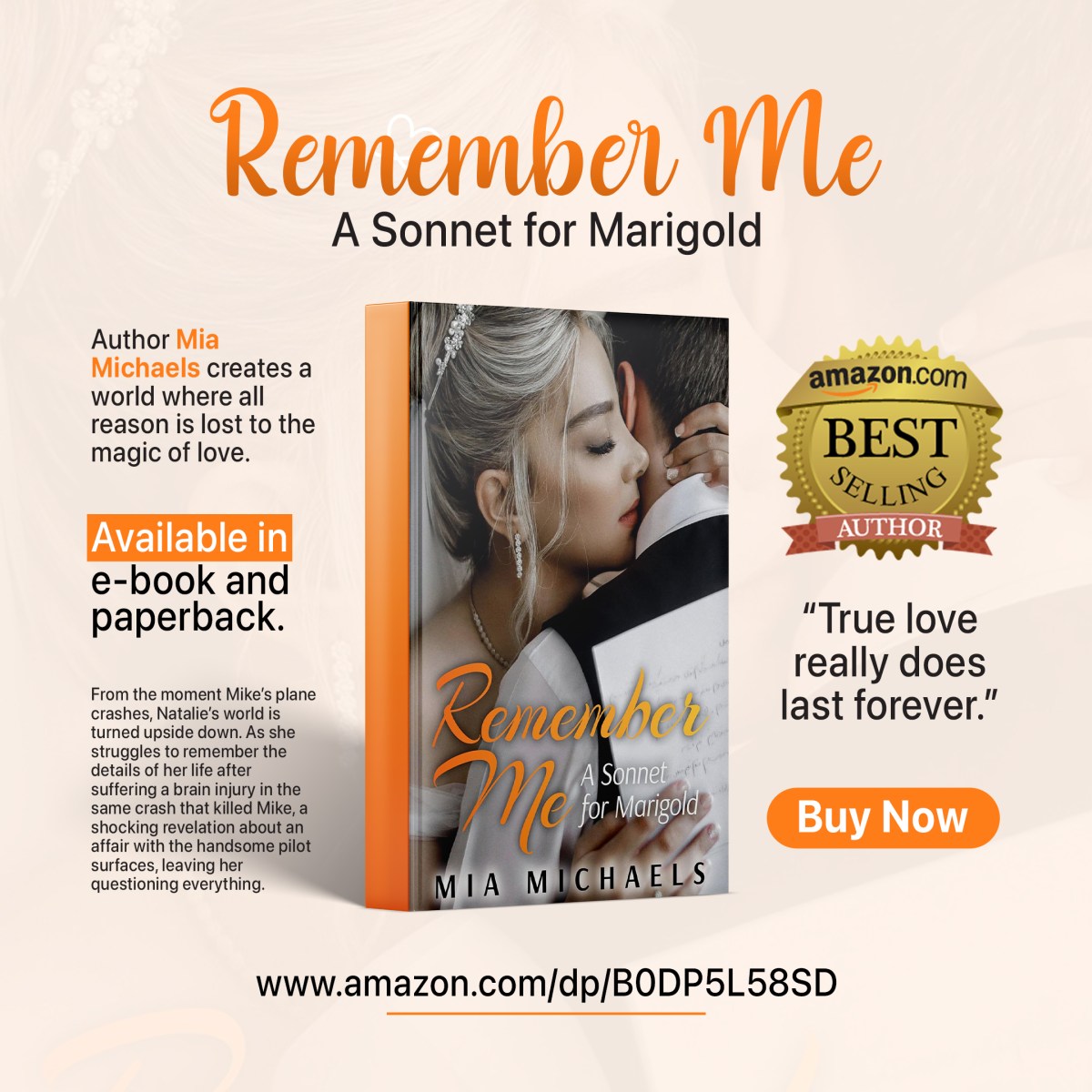
Fiction Based on Truth

The Perfect Mix of Romance, Mystery, and Fantasy!

Were You “Assisted”?

The current image has no alternative text. The file name is: 48876479606_7399137fae.jpg

Authors, when you submit your books to Amazon for publishing you’ll see a question asking if AI was involved in your project.

I am sure everyone knows better than to let AI write their book. However, there are two terms you need to be aware of in case you have had a little help with your cover, a book description, and so on.

  1. AI Assisted means:  Used to edit or refine; brainstorm ideas.

    2.  AI Generated: Totally done by AI. Conception, writing, etc.

    KDP wants to know. Be honest up front. It is not clear whether you are “docked” in some way for using AI or not. 

    Bears a little more investigating… stay tuned!!!

    The Rules Keep Changing

    The current image has no alternative text. The file name is: pexels-photo-4027658.jpeg

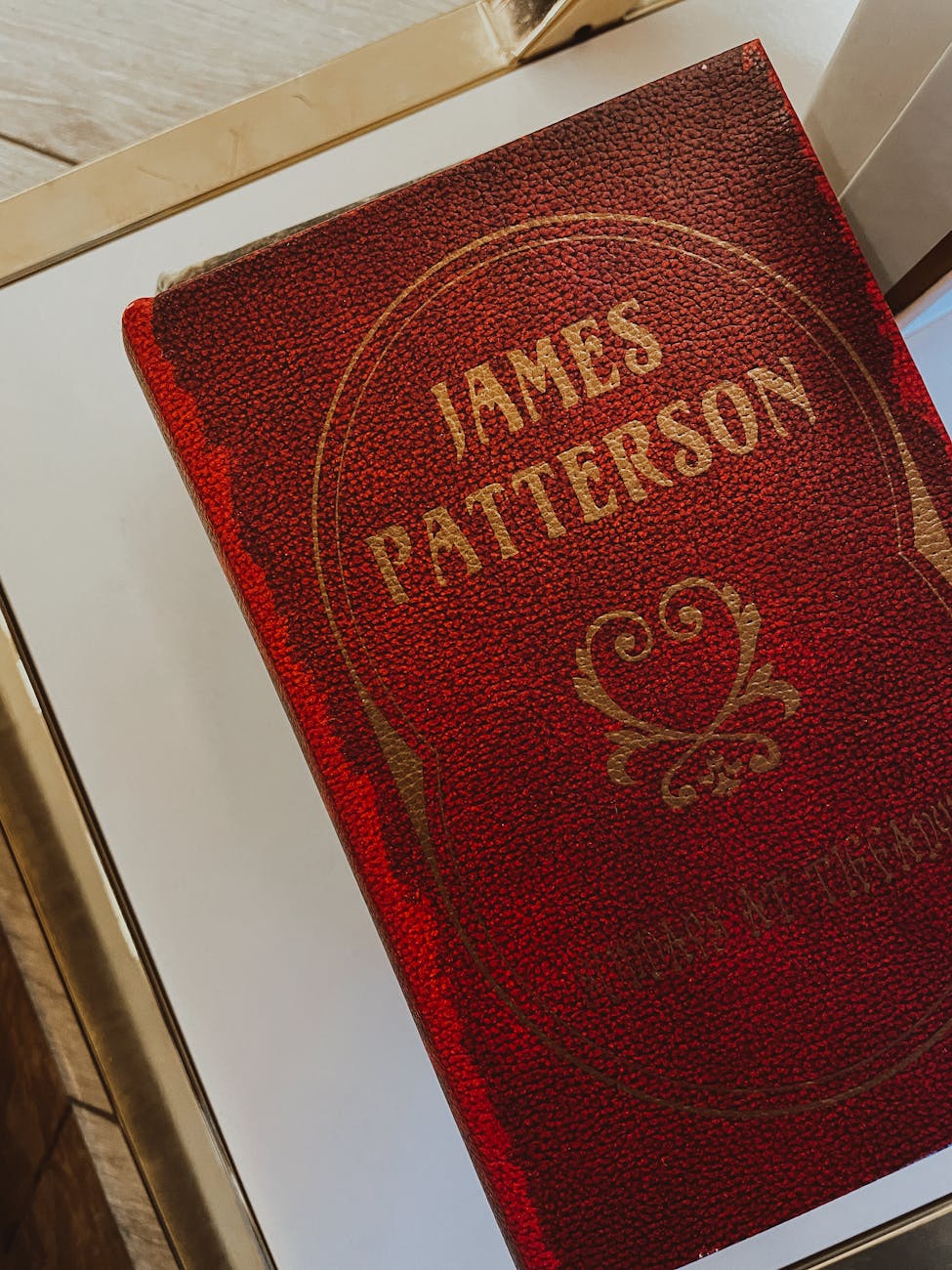
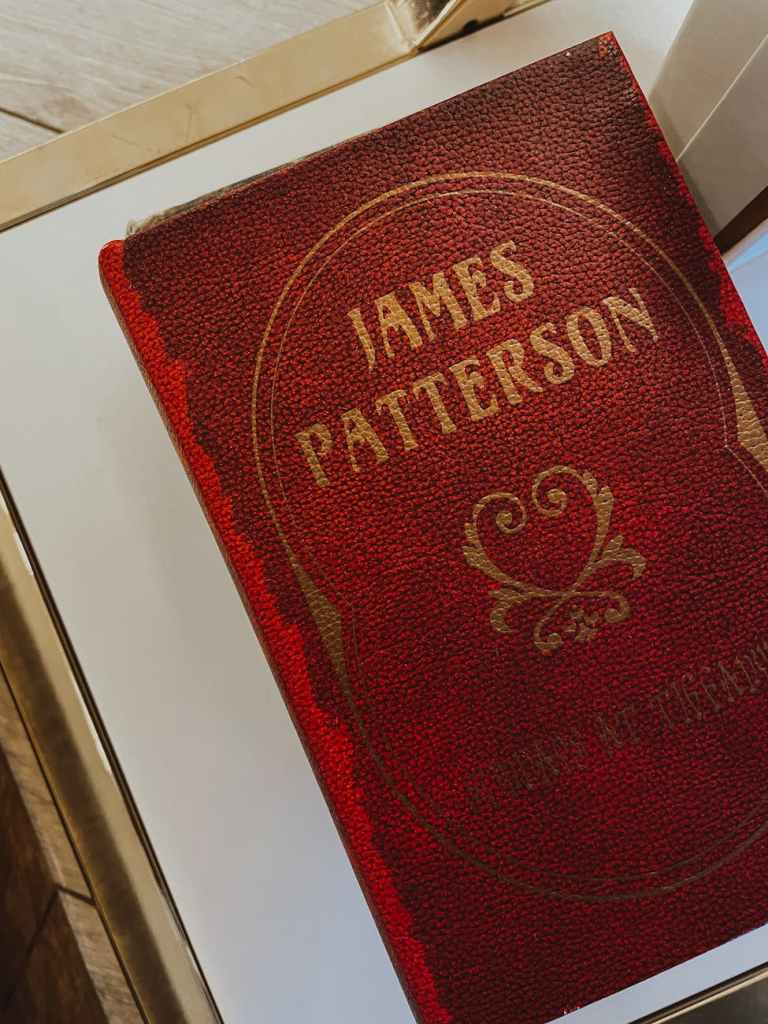
    I picked up a used paperback novel from 1998, this week. I scrutinized the front and back covers, the interior layout, paragraphing, and the author’s writing style.

    I was intrigued by how much the rules of writing have changed over the past twenty-five years. What once was considered to be commonplace is now touted as a “no-no.”

    I consulted Amazon to see if this particular book—by a very well-known author—was typical of that era. Once I determined that it was, I decided to share my observations here.

    Back in the 70’s. Front covers weren’t nearly as exciting and didn’t give many clues as to actual content, back covers didn’t always include a book description (in fact, many times the author’s picture was all that was displayed there).

    The biggest changes I found were inside. Paragraphs were laboriously long, sometimes two pages in length! They were often single-spaced.

    What we refer to now as “head-hopping” was quite common. The point-of-view of several characters found in a single paragraph! Finally, many times stories were “told” rather than shown by action.

    This all makes sense because we now live in a world of texting, which prompts the use of short sentences. There is a lot of white space on our pages, as readers are familiar with that style on their computers. With so many movies and videos, readers want lots of action vs. pages and pages of introspection.

    Writing/reading styles reflect the times in which we live. That means authors constantly adjust their “product” according to current trends in our society.

    Fashions change. Tastes change. Due to our connection to social media, they race ahead at record speed. No need for us to be surprised that writing trends are constantly changing, too.

    Will This Work for Me?

    The current image has no alternative text. The file name is: th-4.jpeg

    PickFu.com is a consumer research platform that instantly connects authors to real people giving honest opinions. In just minutes, you’ll get in-depth insights on ideas, products, designs, and more!    

    Last week, I said I was going to try this with a couple of versions of my title. I found that a “free” membership is just $1 per response. It covers 7 poll types, 90+ audience traits, and 12 countries (15 million respondents worldwide).

    All of this sounds wonderful, but I’m not ready to jump, yet.

    I need the assurance that I can just poll in the US and that I can put a cap on the number of responses I can afford to pay for.

    Stay tuned.

    Will Yours Be One of the 800,000?

    The current image has no alternative text. The file name is: screenshot-2023-07-07-at-7.11.48-am.png

    Fiction authors, did you know there were 800,000 NEW TITLES published last year?

    Just like singers and actors who think up things to make them stand out in a sea of their contemporaries, we must find ways to do the same.

    I’ve received this advice this week: Target the right demographic, then focus on your book’s TITLE. Consider your book’s contents and then: 1) Write one that communicates the promise of your book, 2) Make it intriguing, 3) Be concise, 4) Create tension.

    Last week, a few of you “voted” for your favorite (among three) title for my new book.

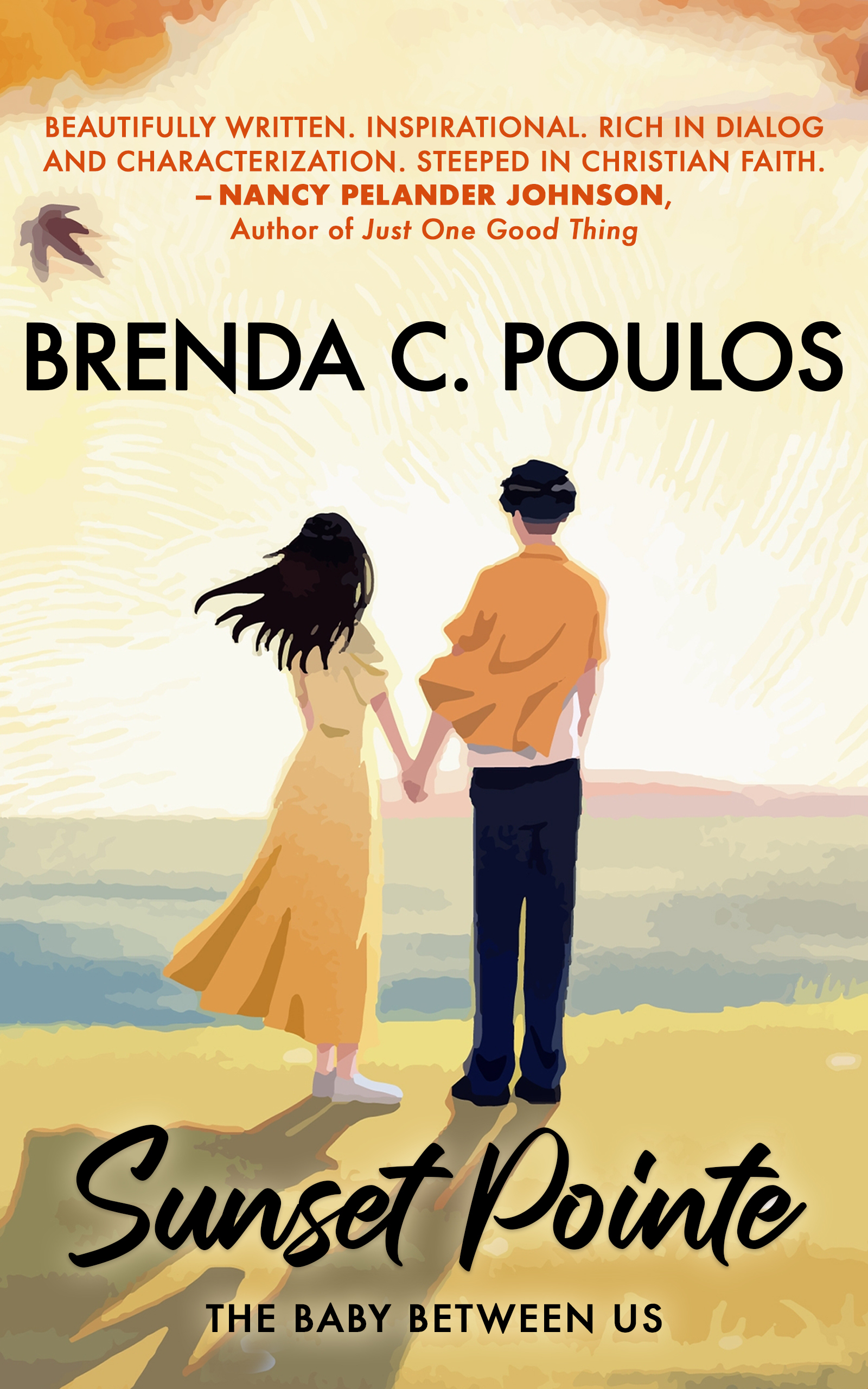
    Since there was no clearcut “winner”, I broke my own rule by consulting AI. Here’s AI’s title, which I personally don’t like but realize it just might fit the above criteria: The Baby Between Us. 

    Please weigh in on this one, if you’d like.

    In addition to your input, I am going to visit a website that was recommended to me to test my title. It is called PickFu.com and I will let you know next week if it was helpful. I know there is a free trial available, but can’t seem to find the cost of joining this. (Not sure if it would be cost effective, either, since how often does one choose a title–once or twice a year?


    Perhaps the Most Important Words

    The current image has no alternative text. The file name is: pexels-photo-1428626.jpeg

    Fiction authors, once you have decided on a title and cover, turn your attention to the back cover copy—which may be the most important words you’ll write.

    Why?

    Because it is an ad for your book, read by shoppers after the cover and title grab them. (It may take a while to write, but remember if can also be used as your Amazon description.)

    This summary of what your book is about, should only be a paragraph or two, and include the story’s most compelling plot points. 

    The best descriptions will end with an intriguing question or something that will hook the reader.

    You should leave enough room for a professional-looking, clear photograph of your face.

    Next to it, include a mini-bio. Your formal author bio should also be included INSIDE, near the back cover. 

    If you have room on the back cover, you can include one or more endorsements. Some authors use endorsements instead of a book description.

    But, a word of caution. The endorsements should be from well-known authors in your genre. Any others you may have can be used as reviews.

    The Back Cover

    The current image has no alternative text. The file name is: image.png

    Fiction authors, once you have decided on a title and cover, turn your attention to the back cover copy—which may be the most important words you’ll write.

    Why?

    Because it is an ad for your book, read by shoppers after the cover and title grab them. (It may take a while to write, but remember if can also be used as your Amazon description.)

    This summary of what your book is about, should only be a paragraph or two, and include the story’s most compelling plot points. 

    The best descriptions will end with an intriguing question or something that will hook the reader.

    You should leave enough room for a professional-looking, clear photograph of your face.

    Next to it, include a mini-bio. Your formal author bio should also be included INSIDE, near the back cover. 

    If you have room on the back cover, you can include one or more endorsements. Some authors use endorsements instead of a book description. Your choice.

    But, a word of caution. The endorsements should be from well-known authors in your genre. Any others you may have can be used as reviews, if the authors have read your book.