Are You “On the Fence” Too?

The current image has no alternative text. The file name is: pexels-photo-2599244.jpeg

When I am writing, I sometimes get a prompt to write with Co-pilot. I assume it is some form of AI assistance, but so far I have not used it.

This week I went online to get more information on this writing “tool.”

Here’s what I found:

The goal of Micro-soft is to aid writers in setting up their pages and drafts, simplifying their work processes, and saving them time. It can improve the PowerPoint experience for readers, create lists and pages in OneNote, organizes content, gives suggestions, and so on.

So why do I resist this kind of time-saving help? 

Like a lot of you, I’m wary of any kind of AI “help.” It just feels like “cheating” to me. After all, how will I know where I “end” and Co-pilot begins?

What if Co-pilot takes all of the fun and creativity out of my writing?

I’ll probably remain on the fence on this one for some time. Please share your experiences with AI and the writing process.

The Perfect Mix of Romance, Mystery, and Fantasy!

Were You “Assisted”?

The current image has no alternative text. The file name is: 48876479606_7399137fae.jpg

Authors, when you submit your books to Amazon for publishing you’ll see a question asking if AI was involved in your project.

I am sure everyone knows better than to let AI write their book. However, there are two terms you need to be aware of in case you have had a little help with your cover, a book description, and so on.

  1. AI Assisted means:  Used to edit or refine; brainstorm ideas.

    2.  AI Generated: Totally done by AI. Conception, writing, etc.

    KDP wants to know. Be honest up front. It is not clear whether you are “docked” in some way for using AI or not. 

    Bears a little more investigating… stay tuned!!!

    The Rules Keep Changing

    The current image has no alternative text. The file name is: pexels-photo-4027658.jpeg

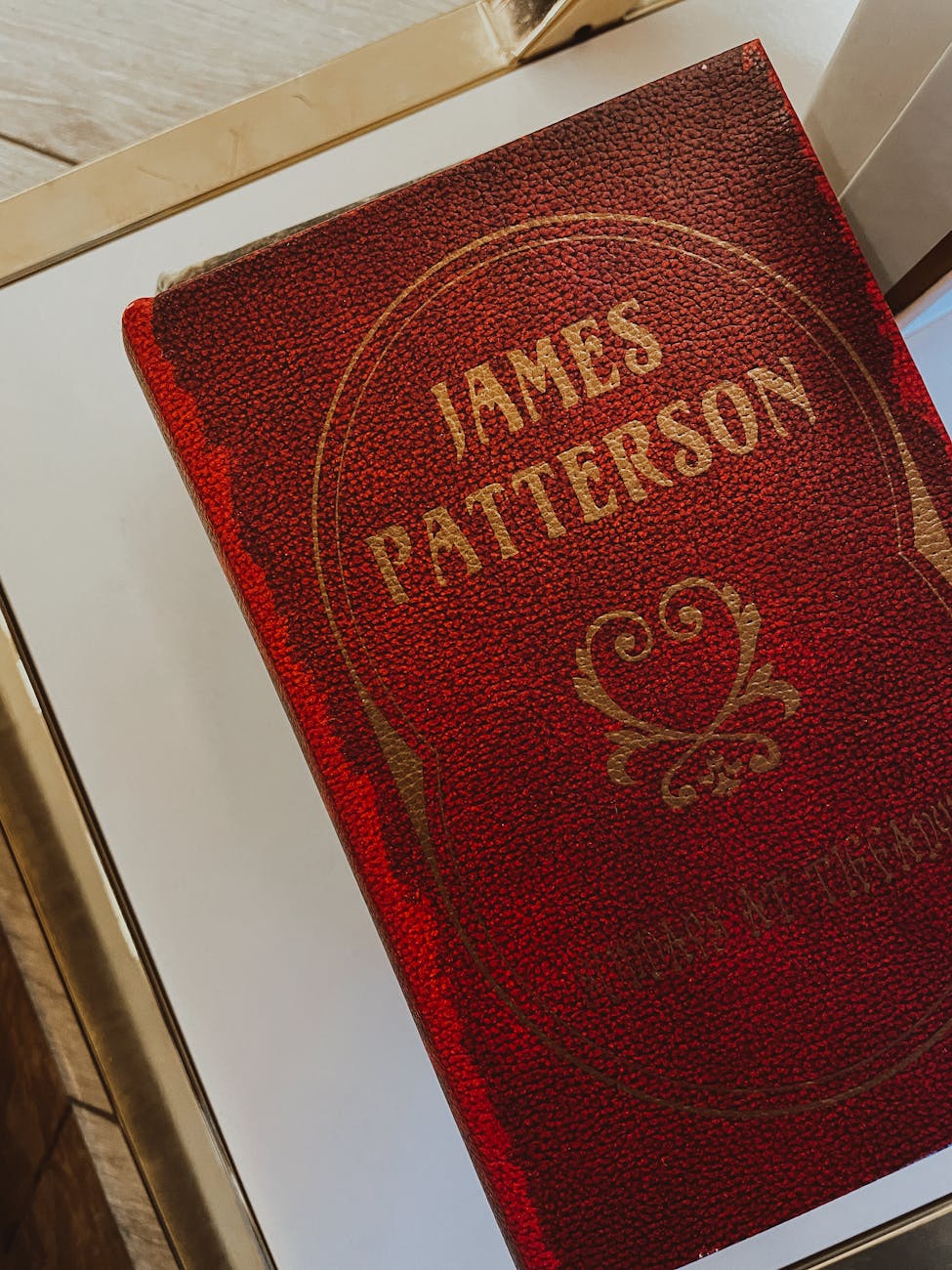
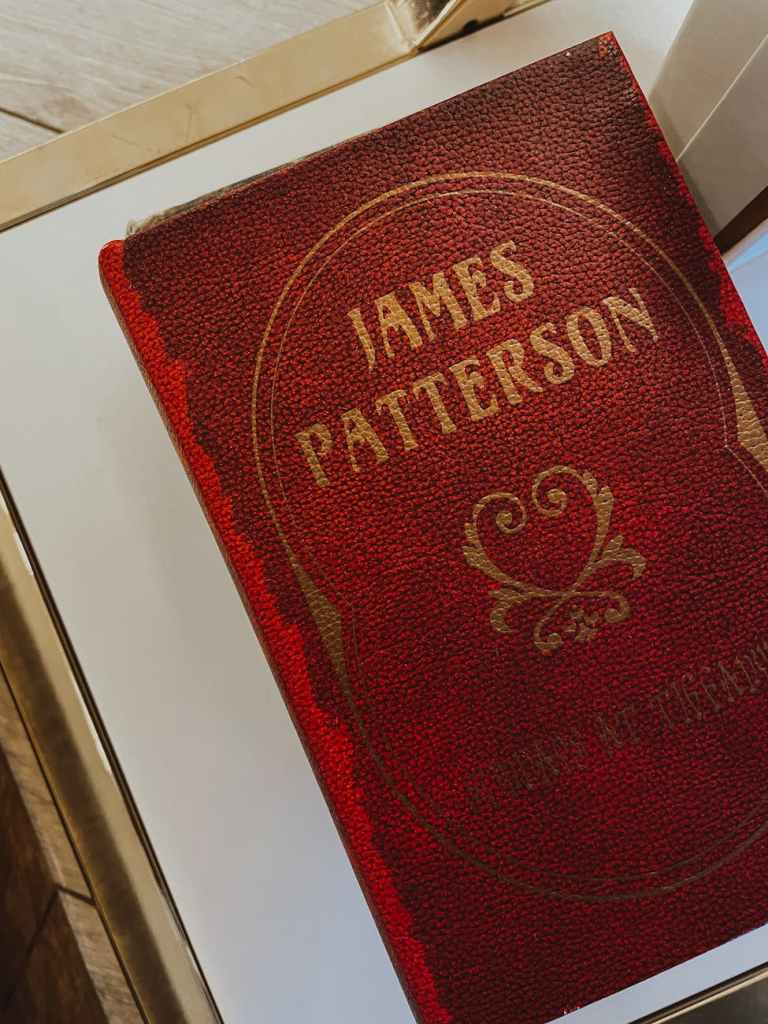
    I picked up a used paperback novel from 1998, this week. I scrutinized the front and back covers, the interior layout, paragraphing, and the author’s writing style.

    I was intrigued by how much the rules of writing have changed over the past twenty-five years. What once was considered to be commonplace is now touted as a “no-no.”

    I consulted Amazon to see if this particular book—by a very well-known author—was typical of that era. Once I determined that it was, I decided to share my observations here.

    Back in the 70’s. Front covers weren’t nearly as exciting and didn’t give many clues as to actual content, back covers didn’t always include a book description (in fact, many times the author’s picture was all that was displayed there).

    The biggest changes I found were inside. Paragraphs were laboriously long, sometimes two pages in length! They were often single-spaced.

    What we refer to now as “head-hopping” was quite common. The point-of-view of several characters found in a single paragraph! Finally, many times stories were “told” rather than shown by action.

    This all makes sense because we now live in a world of texting, which prompts the use of short sentences. There is a lot of white space on our pages, as readers are familiar with that style on their computers. With so many movies and videos, readers want lots of action vs. pages and pages of introspection.

    Writing/reading styles reflect the times in which we live. That means authors constantly adjust their “product” according to current trends in our society.

    Fashions change. Tastes change. Due to our connection to social media, they race ahead at record speed. No need for us to be surprised that writing trends are constantly changing, too.

    Will Yours Be One of the 800,000?

    The current image has no alternative text. The file name is: screenshot-2023-07-07-at-7.11.48-am.png

    Fiction authors, did you know there were 800,000 NEW TITLES published last year?

    Just like singers and actors who think up things to make them stand out in a sea of their contemporaries, we must find ways to do the same.

    I’ve received this advice this week: Target the right demographic, then focus on your book’s TITLE. Consider your book’s contents and then: 1) Write one that communicates the promise of your book, 2) Make it intriguing, 3) Be concise, 4) Create tension.

    Last week, a few of you “voted” for your favorite (among three) title for my new book.

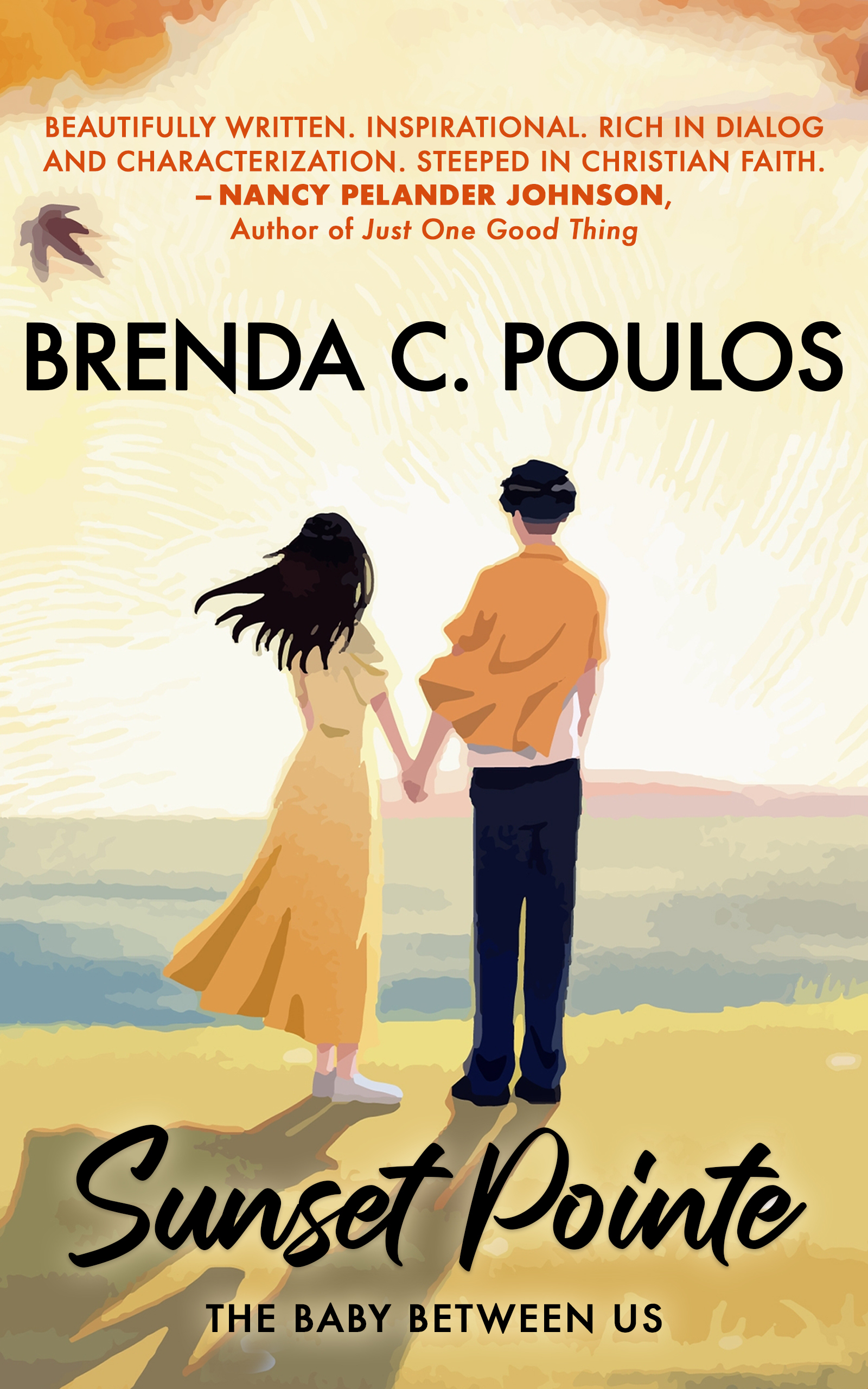
    Since there was no clearcut “winner”, I broke my own rule by consulting AI. Here’s AI’s title, which I personally don’t like but realize it just might fit the above criteria: The Baby Between Us. 

    Please weigh in on this one, if you’d like.

    In addition to your input, I am going to visit a website that was recommended to me to test my title. It is called PickFu.com and I will let you know next week if it was helpful. I know there is a free trial available, but can’t seem to find the cost of joining this. (Not sure if it would be cost effective, either, since how often does one choose a title–once or twice a year?


    Perhaps the Most Important Words

    The current image has no alternative text. The file name is: pexels-photo-1428626.jpeg

    Fiction authors, once you have decided on a title and cover, turn your attention to the back cover copy—which may be the most important words you’ll write.

    Why?

    Because it is an ad for your book, read by shoppers after the cover and title grab them. (It may take a while to write, but remember if can also be used as your Amazon description.)

    This summary of what your book is about, should only be a paragraph or two, and include the story’s most compelling plot points. 

    The best descriptions will end with an intriguing question or something that will hook the reader.

    You should leave enough room for a professional-looking, clear photograph of your face.

    Next to it, include a mini-bio. Your formal author bio should also be included INSIDE, near the back cover. 

    If you have room on the back cover, you can include one or more endorsements. Some authors use endorsements instead of a book description.

    But, a word of caution. The endorsements should be from well-known authors in your genre. Any others you may have can be used as reviews.

    The Back Cover

    The current image has no alternative text. The file name is: image.png

    Fiction authors, once you have decided on a title and cover, turn your attention to the back cover copy—which may be the most important words you’ll write.

    Why?

    Because it is an ad for your book, read by shoppers after the cover and title grab them. (It may take a while to write, but remember if can also be used as your Amazon description.)

    This summary of what your book is about, should only be a paragraph or two, and include the story’s most compelling plot points. 

    The best descriptions will end with an intriguing question or something that will hook the reader.

    You should leave enough room for a professional-looking, clear photograph of your face.

    Next to it, include a mini-bio. Your formal author bio should also be included INSIDE, near the back cover. 

    If you have room on the back cover, you can include one or more endorsements. Some authors use endorsements instead of a book description. Your choice.

    But, a word of caution. The endorsements should be from well-known authors in your genre. Any others you may have can be used as reviews, if the authors have read your book.

    Help Me Title My Book

    The current image has no alternative text. The file name is: pexels-photo-31737660.jpeg

    What’s harder than writing a book? For me, it’s choosing a title!

    I’m having difficulty choosing a title for my latest book. It is a story about three families who live in a fictitious town, Sunset Pointe. Readers will experience a full range of emotions caused by the decisions these people make. Realistic dialogue and flawed characters are “trademarks” of my page-turning novels.

    I am hoping to choose a title that intrigues, yet doesn’t “give away” too much.

    Here are some titles I am considering. Would you please read these and then offer your opinion? Which one would you most likely “buy” on the basis of title?

    Either explain your reasoning, or simply share the number of the title. If the choice is hard, perhaps rank your top three.

    Thank you for your help!

      1. Miracles in Sunset Pointe

      2) Finding Love in Sunset Pointe

      3) Miracles in Sunset Pointe: A Story of Love and Forgiveness

      4) Finding Love in Sunset Pointe: Unexpected Blessings

      5) Sunset Pointe: The Miracle of Finding True Love

      6) Sunset Pointe: BOUND BY FAITH, REDEEMED BY LOVE

      The Browser Bar and the Rule of Three

      The current image has no alternative text. The file name is: 27227677773_5a084bf604.jpg

      Sometimes a good subtitles can be the difference between your book selling and it being ignored in the marketplace. 

      A title may get all of the attention, but a subtitle hooks the reader because it gives added information, such as whether the book will be humorous, scholarly, etc. It helps readers decide whether to purchase your book—or not. But, most importantly, it should contain KEYWORDS that potential readers type into their browser bars to FIND YOUR BOOK. 

      TITLES ARE OFTEN VAGUE.

      KEYWORDS ARE SPECIFIC.

      Since brain research tells us that humans best remember things in groups of threes, experts suggest subtitles use the “Groups of Three” rule. For example: Finding Happiness: List here three ways that are covered in your book.

      Sound easy? It’s not. Especially for fiction writers. There are often not three recognizable keywords. That’s the nature of the beast. So, for us fiction writers we need concentrate on those keywords.

      I’m going to purchase a vanity light for my bathroom today. The browser bar is my friend. I type in the size (23-25 inches), the number of lights (2-3), and color (matte black). Once I do that, I end up with photos of lights that should be similar to what I want. Then, I can whittle down my list further by price, manufacturer, and style.

      Remember: Readers are first shoppers. And this is what shoppers do every day. 

      Make the browser bar your best friend by feeding it KEYWORDS.

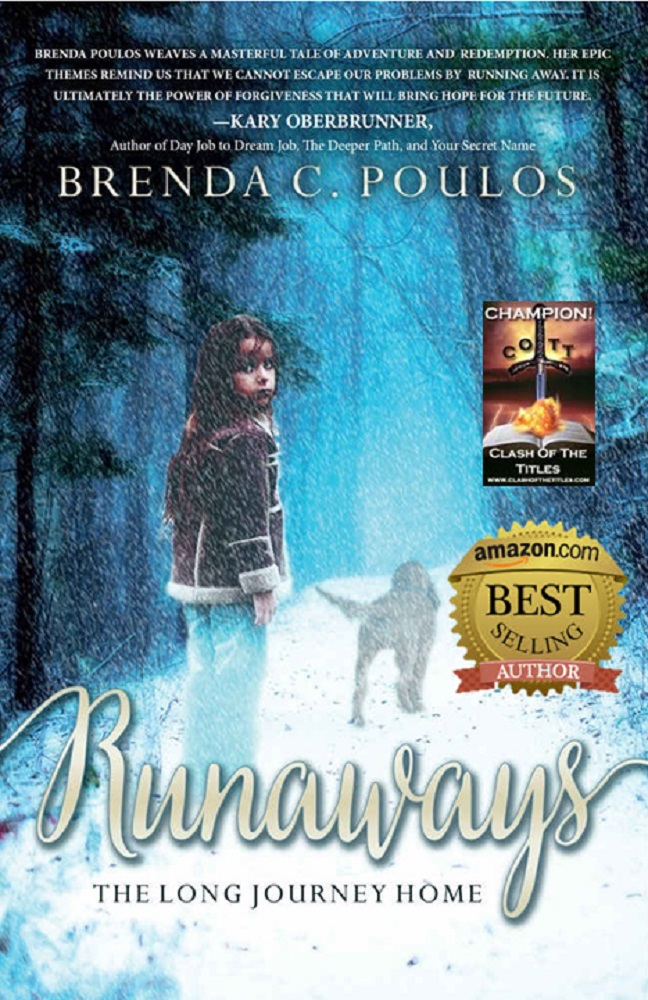
      Runaways: The Long Journey Home

      The current image has no alternative text. The file name is: bestseller-book-cover-lg.jpg

      It’s unbelievable, but this is the 10-Year Anniversary of the publishing of my first novel, Runaways: The Long Journey Home. 

      I wrote the book as a promise to myself to do so when I retired from elementary school counseling/ teaching. 

      I had long “suffered” from a recurring dream in which a boy ran away from his abusive father. My book uses that dream as a springboard for a story which takes the reader inside the mind and emotions of both the abused and the abuser.

      I’ve found that readers’ tastes haven’t changed that much in a decade. They still want to be taken into the depths of the human psyche… inspired by the struggle of identifiable characters who confront their fears… and ultimately win over the forces of evil.

      If you’ve read and enjoyed A Child Called It, and The Lost Boy by David Pelzer, you will find my story equally compelling. With its underlying message of forgiveness, it is sure to inspire and encourage readers to become overcomers in their own lives.

      As a a way of celebrating my anniversary as an published author, please enjoy the Runaways e-book free this week, October 6-10,2025.

      Here’s the URL:  amazon.com/dp/B01A5X5LZK Be sure to choose the e-book!