
Happy 10th Anniversary–To Me!

The current image has no alternative text. The file name is: bestseller-book-cover-lg.jpg

It’s the ten year anniversary of the publishing of my first book, Runaways: The Long Journey Home. Curious to see if I had improved as a writer over the last ten years—and eleven books later—I decided to begin rereading all of my books in the order in which I wrote them. 

So far, I see my biggest growth over time has been in the technical aspects, in sentence structure, vocabulary, and point of view.

Runaways is filled with flawed characters who face the challenges of life—and I have continued on that path for the rest of my books. My message of hope and forgiveness has run throughout the last ten years. I suspect future books will also proclaim the same central theme because if there’s anything the world needs right now, it’s hope and forgiveness.

I am enjoying the process of reading my own work after such a long period of time. I think it would prove to be a good exercise for any author wanting to improve their craft.

If you’re a writer, share your thoughts on this process and what you’d like to discover about yourself.

What’s Your Dream?

The current image has no alternative text. The file name is: pexels-photo-1535907.jpeg

For the last few weeks, I have been blogging about dreams. When and how to use them in our writing.

Today, I’m asking a simple question: What are your dreams? Where do you see yourself going as a writer? Do you want your books to entertain, inform, bring your readers to some kind of action?

As a Christian author, my dream/goal has always been to share God’s love and truth with a hurting world.

I concluded that using the medium of fiction would be the best avenue to take… that nonfiction was too “in your face” for a lot of people… that seeing a fictitious character’s life change by coming to know God would be the best approach.

In the years since I began writing, I’ve occasionally heard from readers that my books have been a blessing to them and to friends/family members with whom they have shared them.

And that’s what keeps me writing.

How about you?

Dreams in Fiction

The current image has no alternative text. The file name is: pexels-photo-8262600.jpeg

Continuing our discussion about writing dream sequences…

I’ve read countless articles about using dreams in fiction. Here are a few “take-aways.”

  1. Try not to be too fantastical—but not too real, either.
  1. Whether you are using your dream sequence to solve your character’s internal conflict, or foreshadow a future event, be sure it adds to your story and MOVES IT FORWARD.

3)  Use of metaphors or symbolism may help readers realize the scene is a dream.

4)  A change in narrative style may also indicate a dream. (For instance, if you write in the third person, try writing a dream in the first person.)

5)  If you want to be obvious about it, print the entire dream sequence in italics.

6)  To transition into a dream sequence, try using a signal, such as rain falling at the beginning of a dream and ceasing at the end, or falling asleep and waking up, can be helpful.

**Twilight and Stuart Little are among the many books inspired by actual dreams.

Reading and Writing Dreams

The current image has no alternative text. The file name is: image-4.png

When reading fiction novels, the reader often encounters dreams.

Authors like to include them for several different reasons:

  1. They can reveal our characters’ deepest desires, motivations, and fears. 
  2. They are often used to serve a narrative purpose, such as moving the story forward or revealing something about the character we did not know until that point. It could uncover an inner conflict or something the character feels guilty about. It could foreshadow a story’s future events or even change the trajectory of the story.
  3. Dreams are often vivid in color, sound, feel, and even smell. They are often fantastical. Objects may speak, pulsate, and make noises.
  4. Dreams may reflect a character’s subconscious emotions and thoughts. They are a great opportunity for authors to use metaphors. 

5)    Dreams can be magical. They can provide moments of clarity so that they influence the outcome of the story.

Readers: Enjoy dream sequences. They may help you focus and predict where the story is “going”—and why.  

World Book Day

The current image has no alternative text. The file name is: pexels-photo-31737660.jpeg

Friday was WORLD BOOK DAY. It is celebrated on April 23 each year to promote the love for reading and writing. Also called Copyright Day, it promotes the importance of protecting intellectual property via copyright laws. 

This year’s theme for WORLD BOOK DAY emphasized how literature inspires awareness of global issues such as poverty, inequality, hunger, and so on.

Next week is Teacher Awareness Week, recognizing the role of teachers in developing skills, such as reading, in our schools. 

As they say, “If you can read this, thank a teacher!”

Can Critique Groups Take the Place of an Editor?

The current image has no alternative text. The file name is: image.png

That’s a good question.

From my perspective the answer is: yes—and no.

Critique groups are invaluable. They travel along the writing journey with you. They encourage, proofread, help with story, characterization, and so on.

When your book is completed, they give advice on titles, covers, marketing, and more.

Your manuscript should look clean and polished, so that you may be tempted to save time—and money—by circumventing the editing process and going forward with gusto toward publishing.

This may be a mistake because nothing is so helpful at this point as a “fresh pair of eyes.”

This is especially true in the area of “content” and story flow— delving into whether or not the story makes sense, doesn’t have parts that are contradictory, important points omitted.

Your critique group reads small chunks of your writing as you go along, but an editor reads from beginning to end, offering a totally new perspective. A good editor will map out the entire story and look for unintentional mistakes in areas your critique group just cannot see.

I’m convinced I shouldn’t bypass the editing process.

What about you? I love to hear your take on this subject.

Salaries for Book Editors

The current image has no alternative text. The file name is: photo_3-1-250x166-1.jpg

Are you considering editing/proofreading manuscripts for fellow authors?

Last week’s post focused on certifications/requirements for book editors. This week, we focus on salaries.

My research says the average salary for book editors ranges from $45k to $85k, depending on the amount of time spent, the type of editing one does, and total business garnered. 

The hourly rate in the US is $30.

I don’t know about you, but a large percentage of authors never make that kind of money!

So, if finding and correcting other authors’ mistakes is “enjoyable,” you may want to consider becoming a BOOK EDITOR.

Want the best of both worlds?  Why not consider doing both??

Can You Find the Dog With a Missing Tail?

The current image has no alternative text. The file name is: pexels-photo-6193753.jpeg

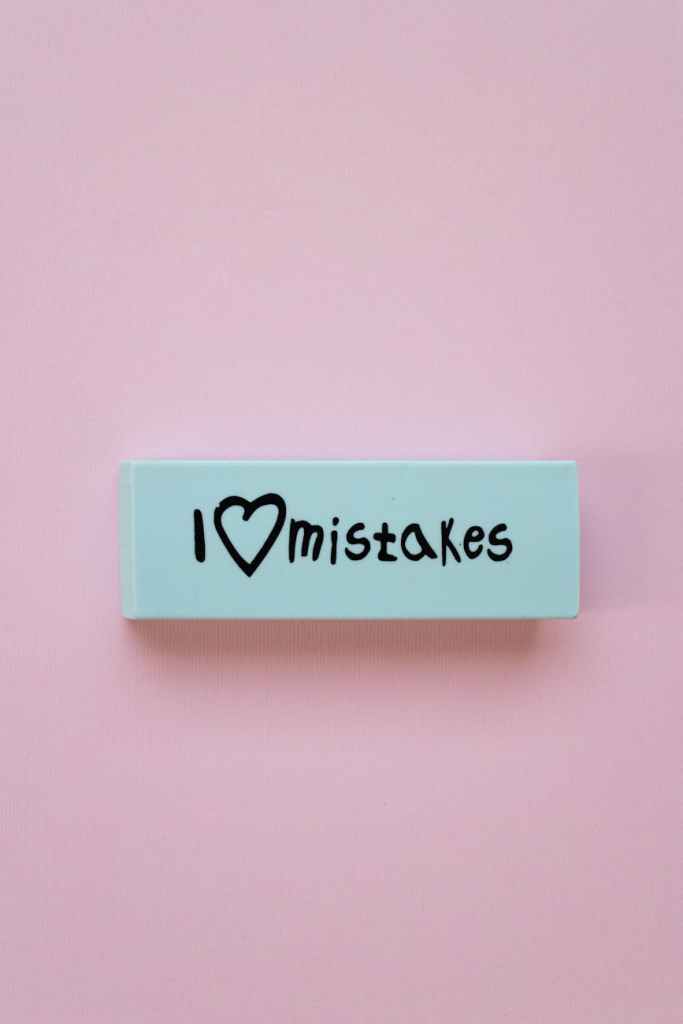
As a youngster, I loved getting an educational magazine in the mail each month. A gift from my Uncle Bill, I really enjoyed one of the pages in which I needed to find what was missing from a drawing. The dog might have a missing tail, a plant a missing flower, a car missing a tire, and so on. Basically, the reader was being asked to find “mistakes.”

If you enjoy that same sort of thing, perhaps consider becoming an editor. It might end up being an interesting and even lucrative career.

If you have good punctuation skills, love to read stories, and understand grammatical rules, you’re on your way!

You dont need a license or certification, but, of course, you want to make sure you have the necessary skills or you won’t get good reviews or any “repeat” business.

Even though not required, certifications are one way editors may use to differentiate themselves from their competitors, building the trust of their clients. You may want to take a course by a professional organization that requires you to pass an exam and demonstrate a high level of proficiency. Choose a program offering a comprehensive curriculum in grammar, style, copy and proofreading, and content strategy.

Here are the top Editor Certifications: Adobe Certified Expert (ACE) and Adobe Audition Certifications, Avid Certified Professional (ACP), Apple Certified Pro, and Logic Pro X,  Blackmagic Design DaVinci Resolve Editor Certification, and Grass Valley Edius Editor Certification.

Program costs generally range between $150 and $300.

What are reasonable fees you can charge? I’ll write about that next week.

Making a Go Of it With a Pen Name

The current image has no alternative text. The file name is: remember-me-final_front-2.jpg

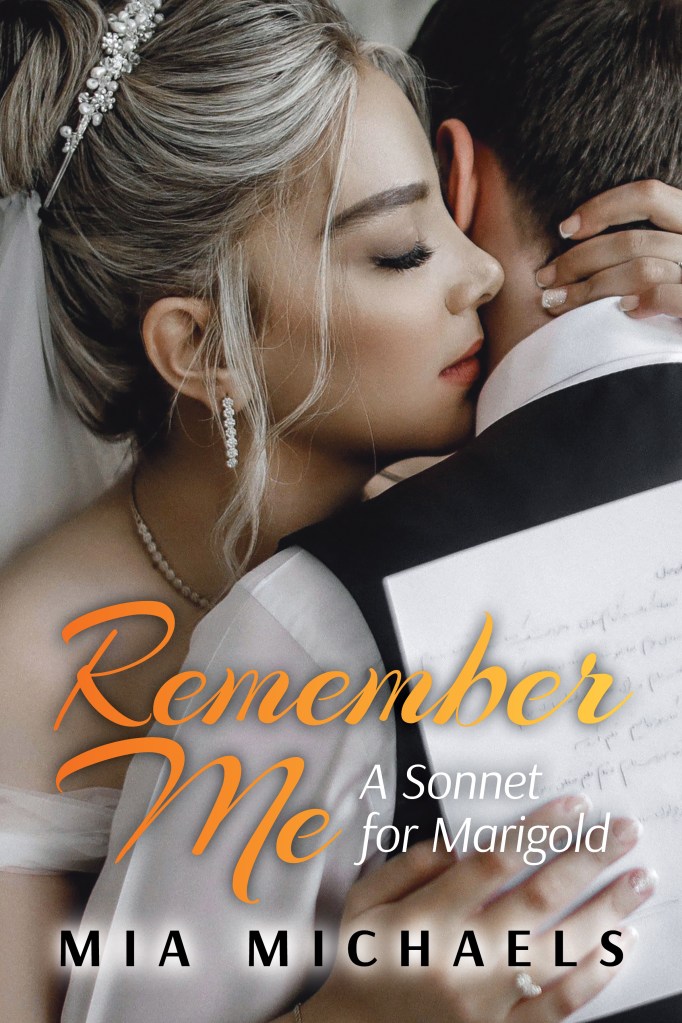
Obsessed for years with the movie, Somewhere In Time, and a 1862 poem by Christina Rosetti, entitled Remember, I set about writing a book in a genre very different from my own.

Since this book is unlike the fiction I have been writing for many years, I just relaxed and had fun with it. No expectations on my part. Only curiosity as to how it would be accepted by my reading audience.

I placed it in the category of Romantic Suspense. However, recent reviewers have suggested that it is better described as a “Psychological Thriller.” It has a touch of fantasy and even paranormal, but Psychological Thriller??? This blows my mind!

Wondering what to do with your afternoon? Here’s the Amazon link. Read a portion for free. You’ll be hooked. https://www.amazon.com/dp/B0DP5L58SD

Have You Heard That Word Before??

The current image has no alternative text. The file name is: pexels-photo-8419515.jpeg

An author-friend of mine and I often read each other’s work. Last week she used a word in her story that I hadn’t heard before. 

I normally use context clues to gain meaning of unfamiliar words, but in this case I still wasn’t sure. I had to look it up.

I ‘ve heard more than once that readers either skip over unfamiliar words (thus not gaining the express meaning of a sentence) or if the author uses too many of them, they put the book aside.  Sometimes they do look up the meaning. However, they become irritated if there are too many unfamiliar words in a book and most likely will not select books from that author again.

Readers, please share how you react to unfamiliar words in the books that you read. Authors really do want to hear from you. After all, we really do write for YOU!