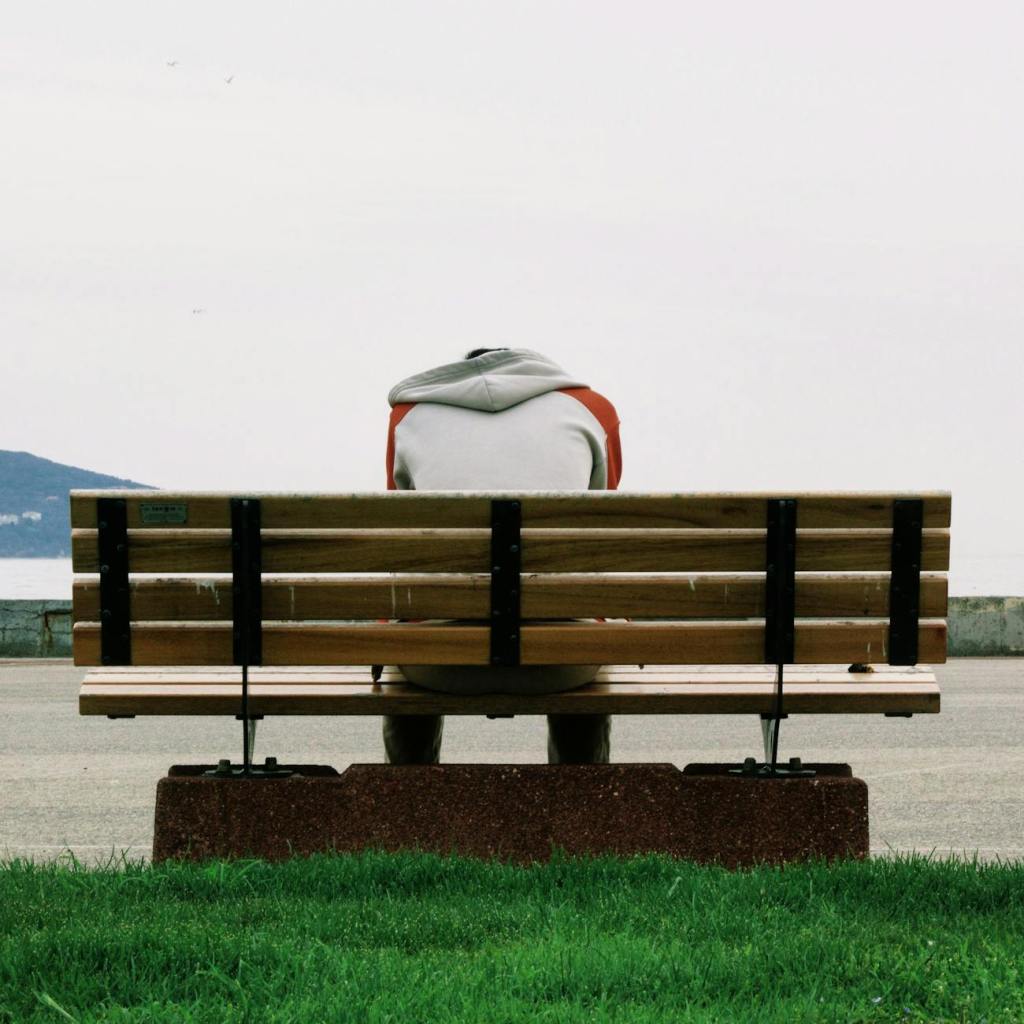

A Common Theme Can Ruin Your Dream

I love to watch the television show, “America’s Got Talent.” Not only do I get to see many talented people perform, the show features interesting background pieces on each contestant. 

A common theme running through at least half of them is that the desire to perform was thwarted by friends, parents or other family members. They became discouraged and gave up their dream when they were told they just didn’t have “what it takes.”

That leads me to the subject of writing.

Perhaps you’ve been given some negative feedback about a story you’ve written, leaving you discouraged to think you may never realize your dream of becoming an author.

Just as in the case of developing any talent, authors perfect their craft through practice, by listening to honest feedback, and following suggestions from those more experienced in the field.

Many performers on “America’s Got Talent” have received standing ovations or the coveted “Golden Buzzer.” They  have gone on to realize their dreams.

If you have a talent for writing, share your stories with others and improve by listening to their critiques.

Keep writing. Keep your eye on the prize. Don’t limit yourself. Realize your dream!

The Case for Punctuation

I read a book last week which was devoid of punctuation. It was a funny and fascinating read. However, without punctuation, I found myself rereading sections, changing the emphasis of words and phrases as I guessed at the author’s intended meaning.

Whoever “invented” punctuation made a valuable contribution to the meaning and enjoyment of the written word. Something as simple as the placement of a comma can make a huge difference.

In my critique group, we spend time each week discussing the rules of punctuation. If you think that the creativity of writing can be separated from the mechanics of writing, do this simple exercise:

Write a paragraph with no punctuation and give it to a fellow author to read. I promise they will be frustrated  and probably misunderstand your intended meaning.

Punctuation has always been a stickler. But without it, where would we be??? 

Chapters: How Long? How Many?

How many pages should comprise a chapter? How does an author know when to finish one chapter and begin another?

Good new: There is no hard and fast rule. Some books don’t even have chapters at all!

I like writing chapters, myself, because they are good break points in the story. Some readers even gauge their reading by chapters. They may always read  a certain number of chapters at a time—more or less depending on how ‘engaged’ they become.

Some authors write a specific numbers of pages in a chapter. I seem to write at a certain rhythm and 10-12 pages is the average length of my chapters.

If chapters are too long, interest may wain and if too short, they may not contain enough “depth.” 

Varying chapter lengths throughout the book will give the book more interest and variety.

Ideally, longer chapters more often are transitional, and shorter chapters are used for fast-paced excitement.

Books written for a younger audience, YA for instance, should have shorter chapters than books gauged for adults.

One thing is essential, however, each chapter should end with a cliffhanger—or at least something that makes the reader want to continue reading. 

Make your readers CRAVE the next chapter. End where the action is the most dramatic.

So how many chapters should a book have?

Different genres lend themselves to certain numbers of chapters. Fast-paced thrillers tend to have shorter chapters.

The more characters and the more intricate the plot, the longer the chapters and the more total chapters in the book.

Complex, non-fiction books should be shorter, unless textbooks or those written for more academic “types”.

More questions or anything to share?

An “Untested” Idea

A couple of years ago, I joined a small group of author-friends to publish a collection of novellas.

I approached them this week with the idea of keeping the collection, BUT ALSO BREAKING THEM APART, so we each could publish ours separately.

It would mean a little bit of work and the cost of a new cover for each of us, but the novellas might sell well in a different format.

In a few weeks, I will report on whether this idea worked out well for us or explain the obstacles we encountered.

If you have information about doing something like this—especially if you have done it yourself—would you please share what you’ve learned?

Share Your Favorites

I found myself at Target last week, like many of you, reading the beautifully-worded Mother’s Day cards. During the week I saw flower arrangements that could be ordered online. Television ads abounded for jewelry and beautiful sweaters. There were coupons for terrific buys on small appliances at many department stores.

In years past, I would have been making my purchases and anxiously awaiting my mother’s reaction when she opened my gifts.

But, like last year and the year before it, I had no purchases to make. No Mother’s Day meal to cook for my mother who has already passed from this life into the next.

A sweet gift from my daughter came in yesterday’s mail. I will spend part of the day today reminiscing. I will spend the evening with my son and his family, opening my cards with pleasure and thanksgiving for traditions like Mother’s Day that make mothers everywhere feel special.

Some things are different. Some stay the same. Names and faces may change but the spirit of love is still shown across the globe.

I hope you make the grandmothers, mothers, and soon-to-be mothers in your life feel cherished. May you enjoy the opportunity to experience the love of family both today—and always.

By the way, two of my favorite “Mother” books are Runaway Bunny by Margaret Wise Brown and Are You My Mother? By P.D. Eastman. What about you? Care to share your favorites?

Share Your Ideas

I left my home office after writing all afternoon about a victim of child abuse. My family felt the brunt of my frustration at dinner that evening.

Does the subject of your writing affect your mood? Is it hard on family relationships?

As I begin my writing again (after 5 weeks off for a long home renovation project) I am determined to leave my emotions behind when I join my family at the kitchen table.

Just how do you “unwind”? Do you take a walk? Enjoy a few minutes gardening or reading?

Writing is satisfying and we authors love it. But it often affects how we interact with those we love. I’d enjoy hearing from you with ideas to combat this problem in my own life!

Do You Know About Publisher Rocket?

The Rocket icon sits patiently on the dock of my Apple Computer. Nearing the end of each book I write, I put it to good use. It is one of the most useful applications I know of.

It helps me choose the optimum categories and seven keywords required. It analyzes data of all kinds to help me identify my competition and see what has—and hasn’t—worked to get them their high ranking. 

The rocket is simple to navigate, easy to understand, and affordable. It is regularly updated, so decisions I make regarding advertising and promotions are based on accurate information.

If you are nearing publication, you owe it to yourself to Google Publisher Rocket and read about it in-depth.

**I will be taking some time away to work on a renovation project for the next few weeks. I should be back to the keyboard in April. Easter Blessings to each of you!

Preparing for a Book Fair

I was asked what an author should take to a book fair. Although the answer may seem simple, there are a few decisions to be made so your experience will go smoothly.

1) A bright and wrinkle-free cloth to cover your table.

2) A bowl of wrapped candy, business cards, bookmarks, pens, or other freebies.

3) Change for cash purchases. I wear a fanny-pack instead of using a  cash box. There are those who use the crowded circumstances for their own devious purposes. Take a “square,” if you are accepting credit cards. Don’t accept checks, since that can lead to a disappointing outcome… for YOU.

4) A small poster or banner. I make an 8 x 10 that I put in a plastic frame. Print in color, so it will be eye-catching. Put your name, book covers, and/or pricing information. Which leads to #5.

5) I always price my books at a special “fair savings” and in rounded denominations so that I won’t have to use coins to make change.

6) At the last fair I attended, I noticed several authors had packed their books into small rolling suitcases. The bags I had mine in were heavy and unwieldy. Perhaps the Goodwill Store will have one at a nominal cost…

7) Show interest in your “customers” by standing. Also, to make sure they stop at your table (and not pass you by) say something they cannot resist, such as “Oh, what a cute baby!” Or “Would you like a Tootsie Roll?”

8) There are lots of little things to remember to do ahead of time, like using mouthwash/breath mints. I suggest eating breakfast ahead of time. Maybe it’s just me, but I’m turned-off when I (as a shopper) walk up to talk to an author and they are in the midst of downing a donut!

You ask if book fairs are with the trouble? See my previous post in “Archives.”

Has Amish Fiction Met Its Demise?

I don’t write “AMISH”, but I sure enjoy reading Amish books. About three years ago, these were very popular and it seems like I devoured every one of them. It didn’t matter who the author was (although I did come to have my favorites). I simply liked the good, clean reads, with the conflicts of religious beliefs which sets them apart from mainstream christian practices.

At any rate, last year I noticed that there might not be as many Amish books coming to the market. This year, I’ve only seen a few.

I asked myself if this was just a “sign of the times,” had I really read everything out there, or were there just not as many authors who were writing in this genre? 

Perhaps it was something else entirely. 

Back in 2002, there were only a couple of authors writing Amish fiction, while currently there are over 60 authors and hundreds of titles.

Among them are: Amish Romance, Soon-to-be Amish, Leaving the Amish, Amish cozy mysteries, Amish Wild West Adventures, Amish quilting, Amish cooking, and so on.

I have found that Amish fiction hasn’t slacked off. In fact, at some point it even spawned a sub-genre called “bonnet fiction,” a flourishing genre of Amish Romance. 

So, to answer my question. I have fewer choices now because I have read so many of these books! 

These authors aren’t going anywhere. They are still writing uplifting and inspiring stories.

A Valentine for YOU !

Since this is Valentine’s week, I want to take this opportunity to say “I Love YOU” to all of my readers and fellow authors.

It has become my passion to write with you in mind, creating memorable stories with deep underlying messages.

This week, I received two heartfelt communications from readers that told of life changes they experienced as they read my newest book, Justice for Jessie. I was overwhelmed by their expressions of gratitude. Just those few encouraging words were enough to reignite my enthusiasm for writing and give me the boost I needed while tackling a particularly difficult chapter in my current work.

I am humbled.

Both in our personal and professional lives, we all need to be told that we matter. That we’ve made a difference in our little part of the world. That what we’ve said—or done—is appreciated.

So, I thank you for the kind words, a short notes, and encouraging reviews. I truly appreciate each one.

And I appreciate YOU.