Research You’ll Love

The current image has no alternative text. The file name is: pexels-photo-32950396.jpeg

According to a 12-yr. research study (published in 2026) readers may live as much as 20% longer than nonreaders.

The study states that reading produces changes in “brain structure, emotional intelligence, and long term-health”. 

Scientists say the human brain is capable of repeatedly reorganizing itself.

And one of the most powerful drivers of brain reorganization is reading.  

These changes are mostly found in the brain’s left hemisphere, in which white matter pathways connect comprehension, visual processing, and language. 

And guess what?

Reading fiction in particular, helps readers socially, in that they better understand how others feel (empathize).

All of these benefits can be due to reading only one chapter, or 30 minutes per day!
amazon.com/author/brendapoulos

Lossent

The current image has no alternative text. The file name is: pexels-photo-8419515.jpeg

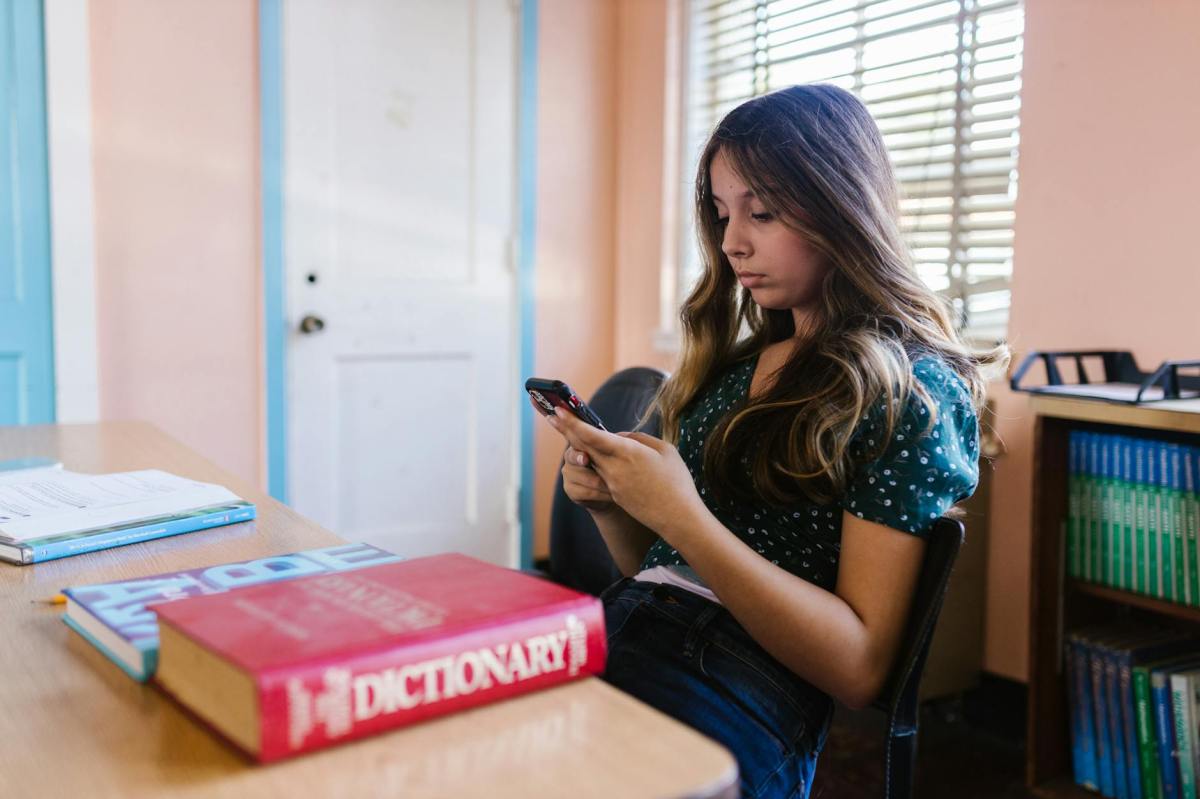
At a recent book fair, a shopper introduced me to a new word she is trying to get into the dictionary. (I’ll share the word at the end of this post). She is out “campaigning” for this word at book fairs, libraries, grocery stores—anywhere she thinks someone will be interested and will help.

I did some research to aid in my understanding of just how new words do, in fact, join the hundreds of words which are added to the dictionary each year. And, here is what I found:

  1. A words gets into the dictionary when it is used by many people who all agree that it means the same thing. (Used in conversation, books, in movies, editorials, etc.)
  2. Dictionary editors read and look for changes in language in mainstream life. They keep notes on where they “read” the word, its context, and source and key it into a searchable database. 
  3. To be added to the dictionary, they look for three types of usage: frequency, meaningfulness, and widespread use. Once words “qualify,” (such as bucket list, unfriend, selfie) they are added to the dictionary.
  4. Some common words get “new” definitions added, also. Examples would be: cookie and mouse.
  5. Here is the word the book fair lady shared: LOSSENT. It means a person who outlives their biological, fostered, or adopted child and is deeply affected by the loss.
  6. You may want to start using this term and help LOSSENT earn a place in the dictionary!