The Browser Bar and the Rule of Three

The current image has no alternative text. The file name is: 27227677773_5a084bf604.jpg

Sometimes a good subtitles can be the difference between your book selling and it being ignored in the marketplace. 

A title may get all of the attention, but a subtitle hooks the reader because it gives added information, such as whether the book will be humorous, scholarly, etc. It helps readers decide whether to purchase your book—or not. But, most importantly, it should contain KEYWORDS that potential readers type into their browser bars to FIND YOUR BOOK. 

TITLES ARE OFTEN VAGUE.

KEYWORDS ARE SPECIFIC.

Since brain research tells us that humans best remember things in groups of threes, experts suggest subtitles use the “Groups of Three” rule. For example: Finding Happiness: List here three ways that are covered in your book.

Sound easy? It’s not. Especially for fiction writers. There are often not three recognizable keywords. That’s the nature of the beast. So, for us fiction writers we need concentrate on those keywords.

I’m going to purchase a vanity light for my bathroom today. The browser bar is my friend. I type in the size (23-25 inches), the number of lights (2-3), and color (matte black). Once I do that, I end up with photos of lights that should be similar to what I want. Then, I can whittle down my list further by price, manufacturer, and style.

Remember: Readers are first shoppers. And this is what shoppers do every day. 

Make the browser bar your best friend by feeding it KEYWORDS.

Three Changes in KDP

There are at least three recent changes within Kindle Direct Publishing that may prove helpful.

First, there is a new version of KDP reports that allow you to gauge real-time book sales, compare performance of your titles, and estimate royalties.

Second, there is new feature “Marketing” section that has quick links to Amazon Advertising, Author Central, KDP Select, and Price Promos. They’ve also added a new tool called “Kindle Deal Nomination.” Once you sign up, and your nomination is accepted, your kindle book can be featured on the KDP website for an indefinite amount of time at a discount. (You can nominate 2 books at a time and re-nominate your book every 90 days).

Finally, they’ve made it easier to arrange your books in a series within KDP. You no longer need to reach out to customer service to do this for you, saving you a lot of time. 

I hope you’ve found the past three weeks of information about the Amazon changes helpful!

Do This To Increase Book Sales

I always find it helpful to look back at what I have learned in the past year, before I can look ahead. As I reflected this past week, I read some of my past blogs. I think most of what I learned I passed along to other writers.

However, I saw something interesting that you probably already know: if your goal is to sell books, plan to finish writing by June, use the next few months for critiquing/editing/cover design. And publish by October so that you can cash in on the biggest sales period of the year: Christmas.

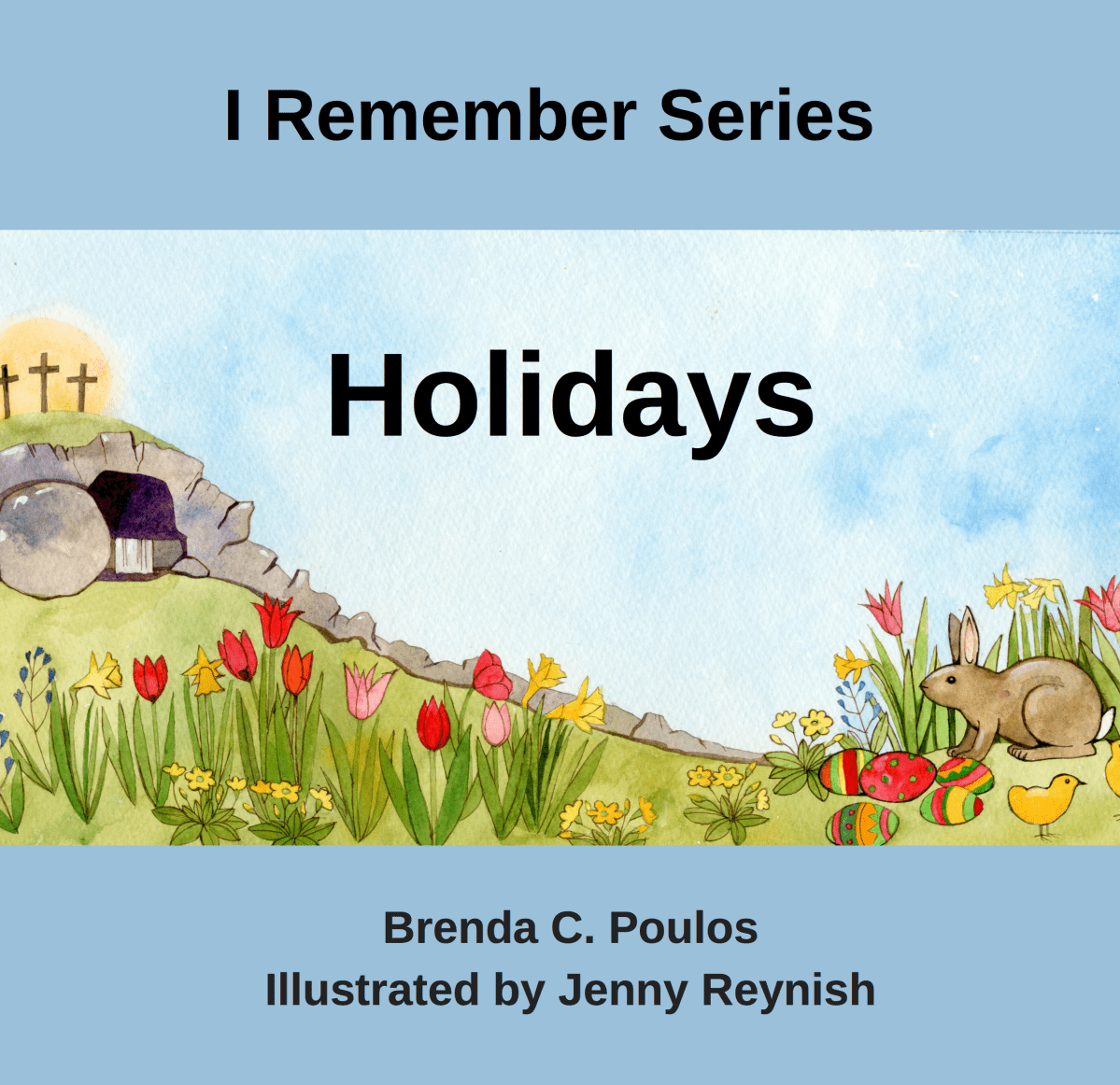
Furthermore, it will help if you have the word Christmas or Holidays or other words “of the season” in your title. Beyond that, if your cover has a Christmas tree or snow on it, sales will increase.

Now, let’s say that you don’t want to write a Christmas story, per se. You can still have your book ready in October, design a cover with a winter scene, use a word in your title that might tend to be Googled, such as JOY or HOLIDAY. (I once saw a book that was about a place named Holiday Farms. It had nothing to do with Christmas. The last name of the individual was Holiday.)

You can use similar ideas for Easter, Fourth of July, Halloween, and so on. I leave you to your imagination and creativity in boosting your book sales around the holidays.


Writing Flash Fiction


12802149995_7daff550ca


My last blog post talked about Flash Fiction and got us ready to address the “How-To-Write-It.”

So, here we go with what I’ve learned about writing Flash Fiction from a real-life pro, David Gaffney:                                                                                                                                      1. Start your story in the middle of the action. You don’t have time in this very short form to set scenes and build character.

 2.  Don’t use too many characters. Excess names and places eat up your word count.

 3. Make sure the ending isn’t at the end. (What?) Give almost all of the information in the first few lines, using the next few paragraphs to take the reader on a journey beneath the surface. This will help you avoid stories with punch-line- type endings. 

4. Make your title short and sweet. Give it punch.

5. Make your last line ring. Remember, it’s not the ending. – but it should make the reader continue to think about the ideas in the story and speculate about what it all meant.

6. Write long, then whittle your story down to the essentials. When you edit, don’t decrease the impact of the story. Choose your words carefully and sparingly. Make each one count!

Next week’s blog post: Flash Fiction Tips.

Hang a Wreath

31789234356_5ce9a915fe


I went to one of my favorite hobby stores last week. After spending an hour there and filling my cart, I joined other shoppers in the check-out line.

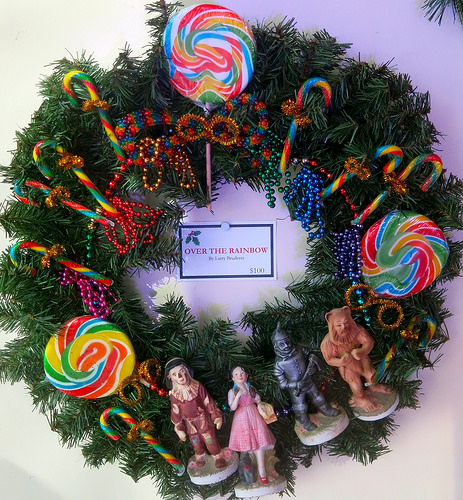
I saw quite a few people purchasing seasonal wreaths. Some bore the symbols of Halloween while others were decorated with fall leaves and Thanksgiving messages.

Wreaths are a colorful and fun way to send a subtle message to friends and neighbors, in much the same way as decals and vanity plates on cars.

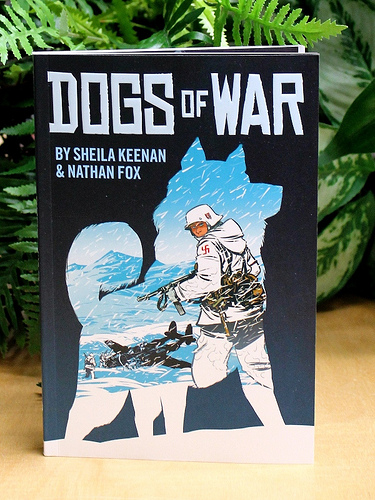
Since our writing has messages that are more pointed–more in-depth–within their pages, we might want to think of our covers as wreathes for our books.

The artwork and titles—even the colors and fonts that are used—all work together to form a subtle impression for the purchaser.

It is the entire “package” that entices a reader to buy. Careful thought to even the smallest detail can mean the difference between a sale or casual glance as they walk on by.