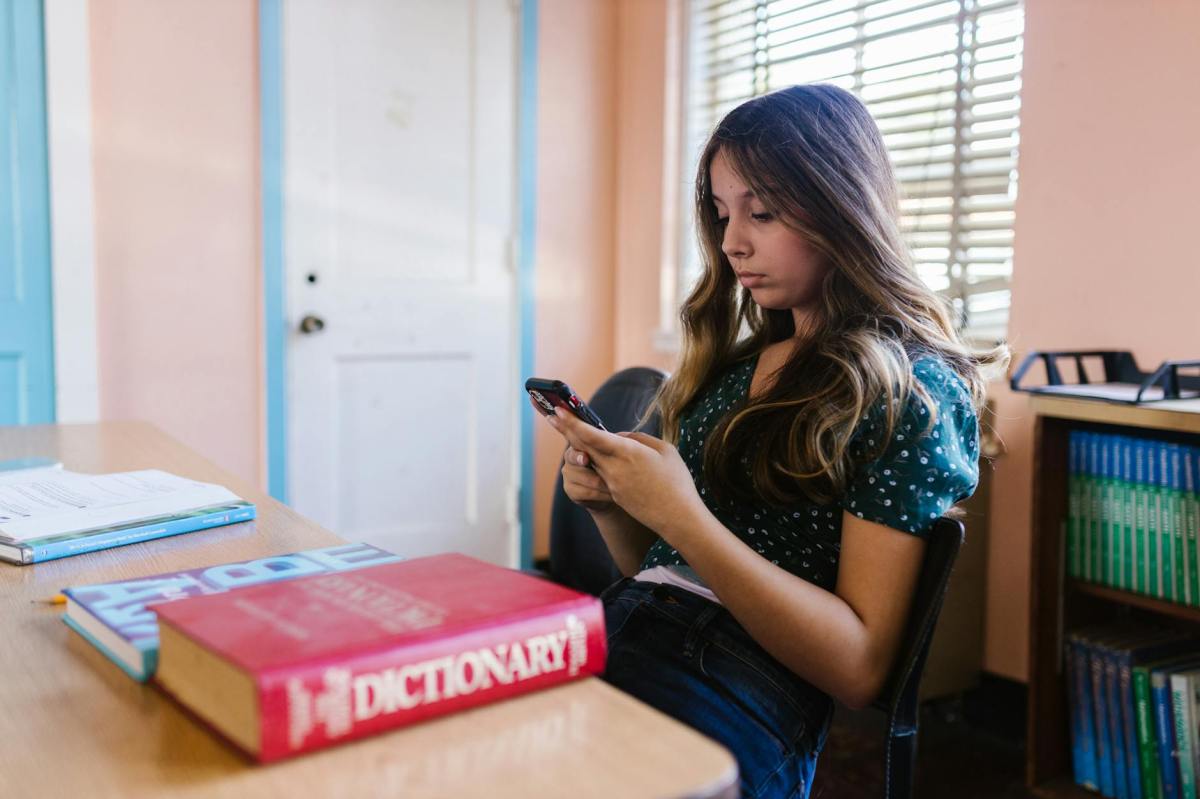
At a recent book fair, a shopper introduced me to a new word she is trying to get into the dictionary. (I’ll share the word at the end of this post). She is out “campaigning” for this word at book fairs, libraries, grocery stores—anywhere she thinks someone will be interested and will help.
I did some research to aid in my understanding of just how new words do, in fact, join the hundreds of words which are added to the dictionary each year. And, here is what I found:
- A words gets into the dictionary when it is used by many people who all agree that it means the same thing. (Used in conversation, books, in movies, editorials, etc.)
- Dictionary editors read and look for changes in language in mainstream life. They keep notes on where they “read” the word, its context, and source and key it into a searchable database.
- To be added to the dictionary, they look for three types of usage: frequency, meaningfulness, and widespread use. Once words “qualify,” (such as bucket list, unfriend, selfie) they are added to the dictionary.
- Some common words get “new” definitions added, also. Examples would be: cookie and mouse.
- Here is the word the book fair lady shared: LOSSENT. It means a person who outlives their biological, fostered, or adopted child and is deeply affected by the loss.
- You may want to start using this term and help LOSSENT earn a place in the dictionary!
 brenda poulos