Twisted

When reading through some book descriptions on the internet, I came across an author who described her writing as Twisted Romance.

Hmmm.

Years ago, twisted was often used to describe someone who had weird ideas or actions. Kooky or even kinky might have been synonyms.

I was curious to know if the term twisted, nowadays, meant something different.

Here’s what I found.

The current term twisted romance tells the full spectrum of love stories. Dark, depraved and addictive. Frantic and often painful. They are gritty and seek to take you out of your comfort zone.

Sometimes referred to as adult fantasy, these books may be more than you bargain for and introduce both the reader–and the writer–to the world of pornography. In my opinion, these books are a dangerous inroad to evil and a dark world that I (for one) want no part of.

Much better to stick with cozy mysteries, mainstream romance, and Christian Fiction (of course).
Go for the ‘Bigger Story’

We are in the process of moving, so I am not spending much time writing or looking for information online that I would like to pass along to you. 

But, that’s the way life is, isn’t it?

We have our private lives, and then we have our writing lives. And they are often at odds with one another—vying for one’s available time.

We make our choices and have to live with them. Our move to Nevada is for personal reasons, but it will affect my writing life, too.

I have always been the member of a critique group. Their input is invaluable. Because, as author Colleen Coble has said, “…brainstorming with partners takes us to a bigger story… on a deeper level.” 

My group meets one Friday per month as we each are given the opportunity to submit several pages of our current writing. 

However, the state we are moving to does not have any writing/critique groups listed online, so if I cannot find another group to work with in NEVADA, I have enlisted continued support from my Arizona group. We are going to try mailing critiques back and forth, first. But, if that proves too worrisome, we may try using FaceTime. 

My point in telling you this?  1) In case you are a writer in Nevada that knows of an existing critique group with an opening for a “new” member, please write in and let me know.  2) If sometime in 2023 I start a new writing group in Nevada—and YOU live in Nevada and would be interested in participating—please leave me a message on my website and I will put you on my list.

My website address  is brendapoulosauthor.com

The Great Anticipation

Our plans sometimes do not go according to THE PLAN. 

We were sick in a hotel room all week. The only glimpse of Hawaii we saw was the ocean from our hotel room. 

We are now back home, feeling only slightly better. But we have, as always, great anticipation of the coming year.

So, I will simply wish you all a Joyous, Prosperous, and Healthy New Year!

Christmas Plans

Our plans sometimes do not go according to THE PLAN. We are sick in a hotel room and may not even feel well enough to attend services at a local church. So, I will simply wish you all a Merry Christmas and send a regular post next week.

May your Christmas celebration be filled with the love of family and friends. May Jesus be exalted in your lives and mine.

The Christmas Gift That Costs Zero Dollars

Want to give your friends a gift they’ll love and costs you absolutely no money?

If you’re an avid reader like me, you likely have read dozens of books this past year. Right?

If you haven’t already given them to a used bookstore, consider starting a new tradition with your reading buddies.

How about agreeing that this year you will select books from those you’ve read for gifting each individual on your list?

If your books are in good condition, who wouldn’t want to receive a book handpicked for your enjoyment from a friend who knows the kind of books you like to read?

With Christmas cards inside and tied with bows or put in glittery bags, they are sure to be a hit without being a drain on your finances.

Make it a Team Effort

When I was first learning about the craft of writing, I spent time reading and going to conferences. But once I actually started writing, I learned that being an author can be a lonely venture. I was in my home office most of the day by myself. 

Not a good thing.

That’s when I learned about Beta Readers and Critique groups. And over the years they have become a critical piece in my writing. I look to them for sharing of  ideas and viewpoints, giving encouragement and support, but also for getting me out of the house and interacting with others.

People are social animals. We grow and feel a part of our environment/community when we collaborate, brainstorm, and interact.

Have you written yourself into a lonely rut?

Take a break. Take a walk. Visit with a friend. Join a writing group. Form a group of Beta Readers. Go shopping. Meet a friend for lunch. Listen to holiday music. 

You’ll be happier and more productive—because writing should be a Team Effort.

Plot Outline and Synopsis

Writers are said to be either plotters or pantsers. Meaning either that they plan out the chapters in their stories ahead of writing, or they write by the seat of their pants—with little or no advance planning.

If you are a plotter, knowing about using a plot outline is essential. A plot outline is a thorough summary including the basic plot twists in each chapter. It is written before you write your book and is used to guide your writing to completion. It is much longer than your synopsis will be.

Both plotters and pantsers will need to write a synopsis which summarizes without giving away all of the details of the plot. It is written after you finish writing your manuscript. In it, be sure to include what is unique about your story and/or characters. 

Remember, the synopsis will be used to pitch your story to agents and publishers. Use your plot outline to get you to a satisfying end.

Summary vs. Synopsis

The terms summary and synopsis are frequently used interchangeably. But are there differences between the two?

It seems there is a slight difference and which you decide to write will depend upon who you are sending it to and your ultimate reason for writing one.

A synopsis is a short (and concise) description of a book, while a summary is a lengthier condensed version. While the summary focuses on what happened, the main ideas, and facts, the synopsis is more subjective and reveals the underlying themes, meaning, and so on.

The goal of a synopsis is to help the reader or agent to decide if they want to read the full book. And, in the case of an agent, to determine if they want to pursue representation.

There are times when you’ll be asked to write both of these, so it’s a good idea to look at examples and/or find books which delve into the writing of each.

The Value of Writing for an Anthology

Chicken Soup for the Soul books are just one example of a collection, or anthology. Even authors who have published ‘stand-alone’ books often write for anthologies, too.

Why?

For authors, publishing in an anthology offers a diverse and larger audience than having all their stories in one book. 

And~

An anthology, where several authors write on the same theme, offers readers a variety of perspectives and styles.

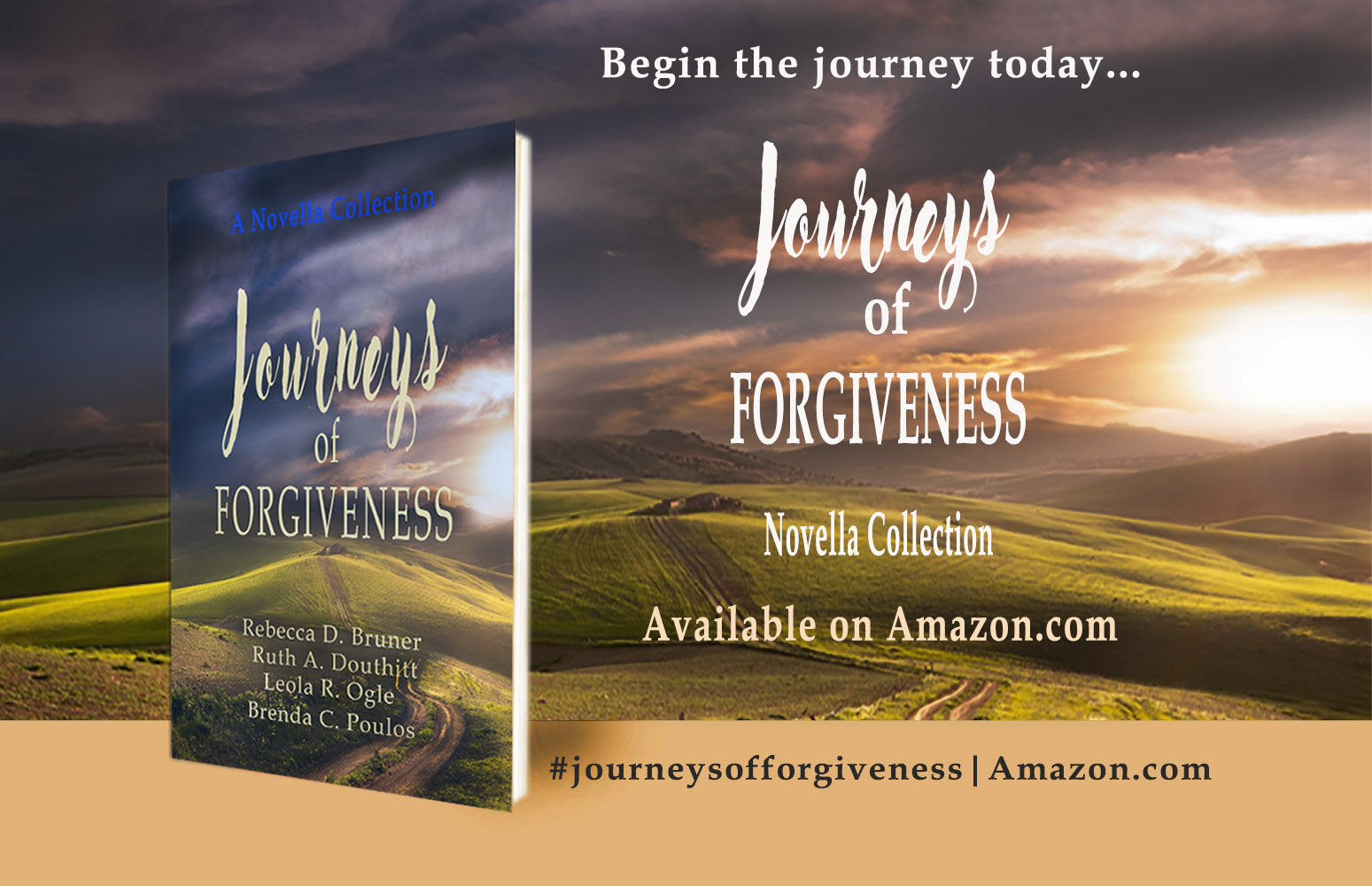
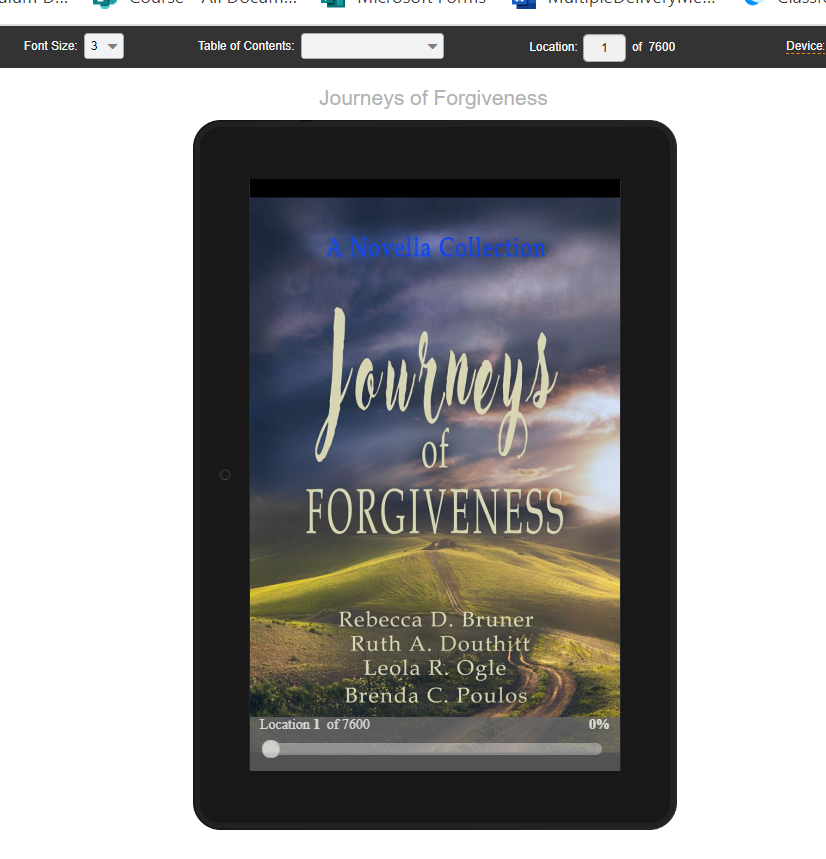
For myself, I wrote in two short story collections last year:  Desert Tapestry and Christmas Tapestry. Then just last week, I published in a Novella collection, Journeys of Forgiveness. 

As we are beginning our sales and marketing, I see that splitting the costs four ways, instead of bearing the costs alone, is another great reason to write in collections—at least part of the time.

Pricing Your Book

A novella collection that I co-authored with three other authors is soon to be published. On top of the many decisions we have had to face together, one of the final ones in that of pricing.

So, I thought I’d let you in on what I have found out when doing a little online research.

When pricing books on AMAZON, you need to:

  • Check out prices of books in your genre by successful authors.
  • Stay in the range of $2.99-5.99 for the most sales.
  • Be sure your book is quality—professional in writing, editing, cover design, etc.  (Be objective about this!)
  • Be sure your book brings value to readers—meaning information, entertainment, humor, encouragement, etc.
  • Offer both books and e-books. Readers come in both types, you know.
  • When possible, offer free e-books or countdown deals on both paperbacks and e-books.
  • Adjust your price points occasionally to find that “sweet spot.”
  • Remember: the more copies you sell (no matter what the price) the more awareness you’ll get from readers!