
New Trends in Writing/Publishing

The current image has no alternative text. The file name is: pexels-photo-4855324.jpeg

Many popular authors are stepping away from traditional publishing houses. 

Recent surveys tell us that successful authors say they do not need a publisher’s help with covers, editing, or advertising because they already have learned how to master these things on their own.

They report that they what they are concerned about is the creative control and ownership of their work, how to grow their sales, and how to get their books distributed into physical bookstores. 

Online classes are offering help in these areas. I have found Reedsy Discovery and DaveChesson’s Kindlepreneur to be the most helpful. 

It takes patience and time to learn from these, however. And once you’ve spent hours taking notes, authors find out that these companies offer their paid services in these areas (if you end up being as overwhelmed me you might look into this aspect…)

Since help is expensive, an alternative may be to form a writing “co-operative” in which authors with various areas of expertise help each other.

God Bless America

The current image has no alternative text. The file name is: pexels-photo-290386.jpeg

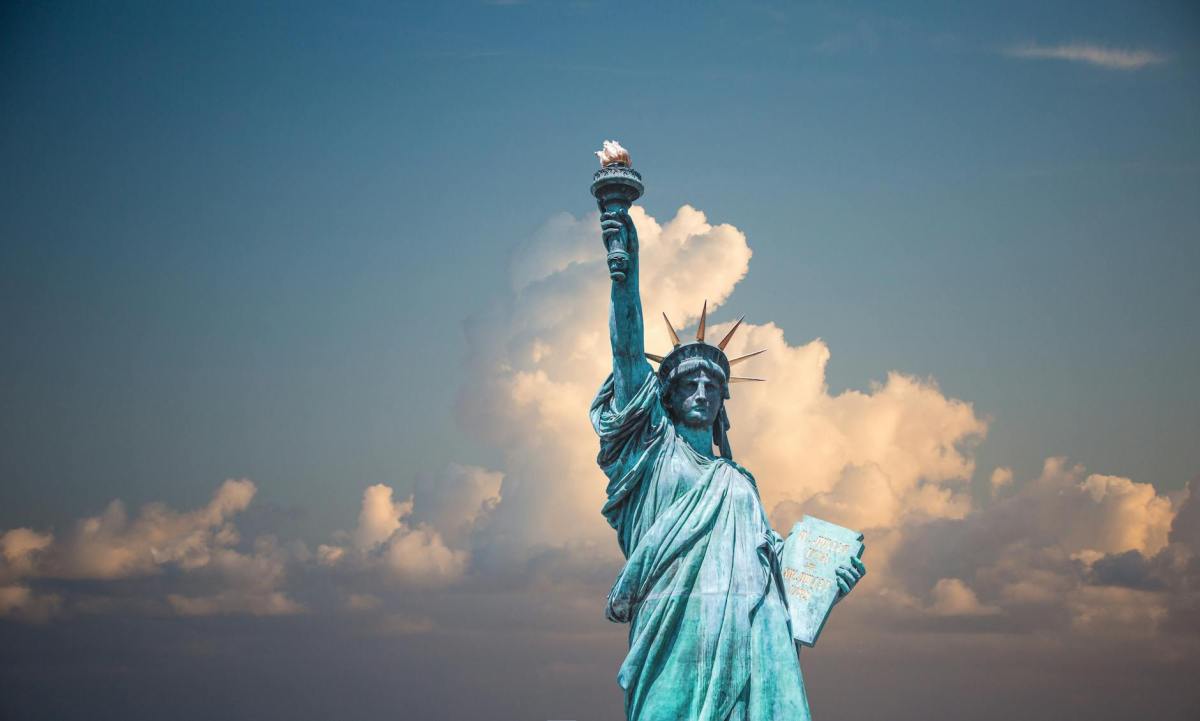
As I watched the fireworks on television July 4th, I enjoyed hearing three of my favorite songs of all time, God Bless America, Amazing Grace, and America the Beautiful.

Authors need inspiration and it is easy to see that these were showing their appreciation to God for the blessing of living in this great country of ours.

Whether in the form of songs, poetry, books, sculpture, or paintings, thank you to everyone who uses their talents to inspire the rest of us… to give us hope in the future… to express thanks in creative and unique ways.

Have You Thought About Writing a Book?

The current image has no alternative text. The file name is: screenshot-2023-07-07-at-7.11.48-am.png

81% of Americans, according to a 2017 Writer’s Digest survey, tell us that they have a book inside of them waiting to be written.   

The two reasons they give most often are:

  1. It sounds glamorous and exciting to say, “I’m an author!”
  2. They feel like they have been given a “calling” or “message” from God (or someone else) to share with the world.

Have you felt the urge to write? 

Please share your reasons why—and what might have kept you from attaining that goal.

Are You a Perfectionist?

The current image has no alternative text. The file name is: pexels-photo-6193928.jpeg

Being a perfectionist can get you in trouble. 

People may think you’re just “too picky.” 

Spouses in particular may be stressed, thinking you’re too unreasonable in your requests.

But, being a perfectionist can be a good quality in certain situations and especially in specific professions.

As an author, it seems like it takes me forever to write a book because I write and rewrite so many times.

What about you? Are you a perfectionist? Does it help or hinder your work… your relationships?

Where Do You Get Your Ideas?

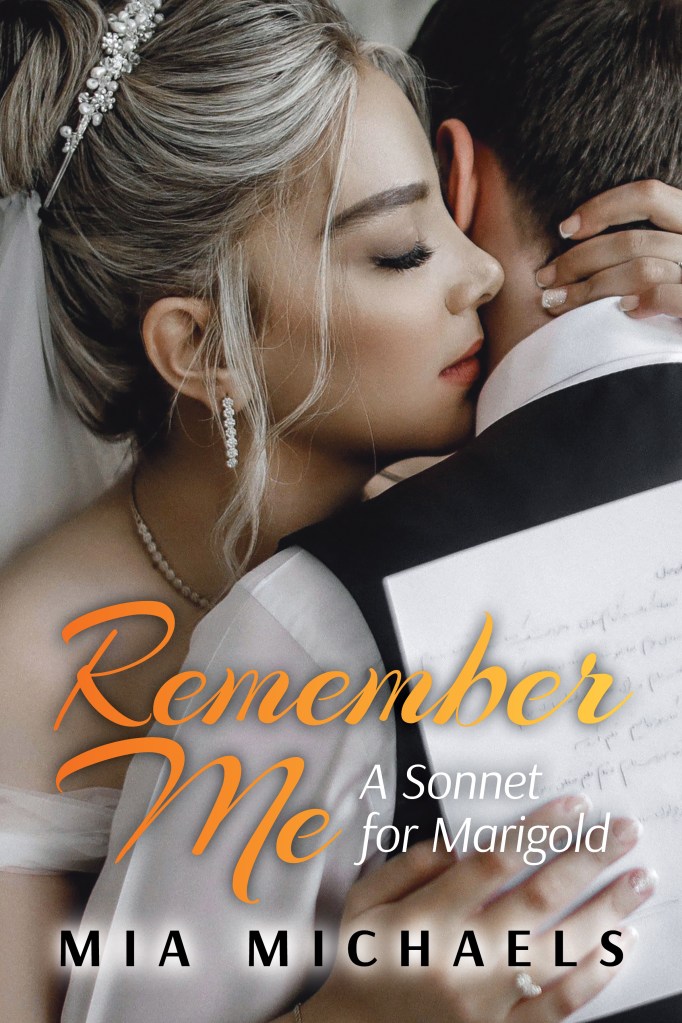
The current image has no alternative text. The file name is: remember-me-final_front-2.jpg

“Where do you get your book ideas?” people always ask me.

They don’t seem to believe me when I say, “They just pop into my head.”

But that is the truth.

Authors get their ideas many different places. There may be a news story that sparks a plot. It might be a place they vacation. Perhaps it’s a dinner companion that announces, “Hey, I’ve got a great story for you.”

Several years ago, as a Hospice Volunteer, I was sitting with a patient who had her walls literally covered with photos of herself and her husband. They had been in a troupe of dancers in the early days of their marriage. Story idea?

Once I was reading a children’s picture book to my granddaughter and it became a catalyst for an intense drama—nothing like the children’s story, but there must have been a thread there…

One of my books was sparked by a recurring dream.

Book ideas can come from anywhere. But if you’re in the middle of writing something else, do what I do. Jot the idea in depth in your idea notebook for later on down the road.

Authors, where have you gotten your book ideas?

Readers, do you have ideas you think would give rise to the next bestseller?

Care to share?

Use “Said” Instead

The current image has no alternative text. The file name is: pexels-photo-8562070.jpeg

I feel like I am the bearer of bad news, but here is what I have found, my fellow authors:

Although it is tempting to substitute descriptive words in place of the word “said”, seasoned writers are now telling us not to use them in our attributions. 

They say it pulls the reader’s attention away from the dialogue. Also, using them tells the reader how the character feels, rather than by showing them with actions. 

Also, help your reader out by using the same attributions for each character throughout. For example,  avoid using “policeman”, “captain”, “officer”, “Tony” all as attributions for the same character within the same scene because these changes only serve to confuse readers.

Many authors advise that “smiled, frowned, laughed, grinned, and smirked”  should not be used as attributions—EVER—because they describe expressions, not speech. 

Finally, in two-person conversations, where lines alternate, only tag a line occasionally—IF the conversation is very long. Readers realize that people speak back and forth.

RULE: Clarify without overshadowing your dialogue.

Happy 10th Anniversary–To Me!

The current image has no alternative text. The file name is: bestseller-book-cover-lg.jpg

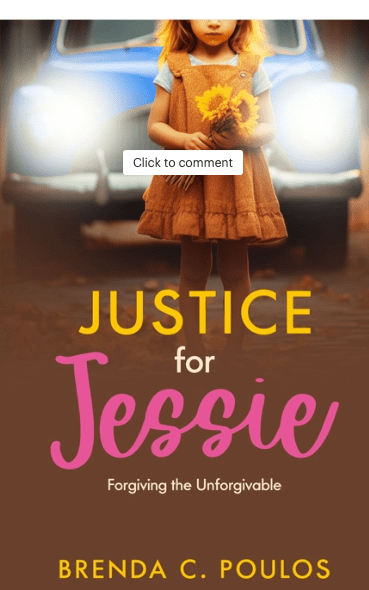
It’s the ten year anniversary of the publishing of my first book, Runaways: The Long Journey Home. Curious to see if I had improved as a writer over the last ten years—and eleven books later—I decided to begin rereading all of my books in the order in which I wrote them. 

So far, I see my biggest growth over time has been in the technical aspects, in sentence structure, vocabulary, and point of view.

Runaways is filled with flawed characters who face the challenges of life—and I have continued on that path for the rest of my books. My message of hope and forgiveness has run throughout the last ten years. I suspect future books will also proclaim the same central theme because if there’s anything the world needs right now, it’s hope and forgiveness.

I am enjoying the process of reading my own work after such a long period of time. I think it would prove to be a good exercise for any author wanting to improve their craft.

If you’re a writer, share your thoughts on this process and what you’d like to discover about yourself.

What’s Your Dream?

The current image has no alternative text. The file name is: pexels-photo-1535907.jpeg

For the last few weeks, I have been blogging about dreams. When and how to use them in our writing.

Today, I’m asking a simple question: What are your dreams? Where do you see yourself going as a writer? Do you want your books to entertain, inform, bring your readers to some kind of action?

As a Christian author, my dream/goal has always been to share God’s love and truth with a hurting world.

I concluded that using the medium of fiction would be the best avenue to take… that nonfiction was too “in your face” for a lot of people… that seeing a fictitious character’s life change by coming to know God would be the best approach.

In the years since I began writing, I’ve occasionally heard from readers that my books have been a blessing to them and to friends/family members with whom they have shared them.

And that’s what keeps me writing.

How about you?

Dreams in Fiction

The current image has no alternative text. The file name is: pexels-photo-8262600.jpeg

Continuing our discussion about writing dream sequences…

I’ve read countless articles about using dreams in fiction. Here are a few “take-aways.”

  1. Try not to be too fantastical—but not too real, either.
  1. Whether you are using your dream sequence to solve your character’s internal conflict, or foreshadow a future event, be sure it adds to your story and MOVES IT FORWARD.

3)  Use of metaphors or symbolism may help readers realize the scene is a dream.

4)  A change in narrative style may also indicate a dream. (For instance, if you write in the third person, try writing a dream in the first person.)

5)  If you want to be obvious about it, print the entire dream sequence in italics.

6)  To transition into a dream sequence, try using a signal, such as rain falling at the beginning of a dream and ceasing at the end, or falling asleep and waking up, can be helpful.

**Twilight and Stuart Little are among the many books inspired by actual dreams.

Reading and Writing Dreams

The current image has no alternative text. The file name is: image-4.png

When reading fiction novels, the reader often encounters dreams.

Authors like to include them for several different reasons:

  1. They can reveal our characters’ deepest desires, motivations, and fears. 
  2. They are often used to serve a narrative purpose, such as moving the story forward or revealing something about the character we did not know until that point. It could uncover an inner conflict or something the character feels guilty about. It could foreshadow a story’s future events or even change the trajectory of the story.
  3. Dreams are often vivid in color, sound, feel, and even smell. They are often fantastical. Objects may speak, pulsate, and make noises.
  4. Dreams may reflect a character’s subconscious emotions and thoughts. They are a great opportunity for authors to use metaphors. 

5)    Dreams can be magical. They can provide moments of clarity so that they influence the outcome of the story.

Readers: Enjoy dream sequences. They may help you focus and predict where the story is “going”—and why.