Unpublished Your Book

The current image has no alternative text. The file name is: pexels-photo-1148399.jpeg

Last week we concluded that books without an assigned ISBN and have never been published can be deleted from an author’s KDP bookshelf.

If a book has been published, it can be unpublished, but it cannot be removed from the KDP bookshelf.

Authors can do this by clicking UNPUBLISH under the ellipsis button. Once done, it will no longer be listed for sale.

It WILL remain on the author’s bookshelf, unless you archive it using the same ellipsis button, but selecting ARCHIVE TITLE instead. (And, yes, you can “unarchive” in the same manner.)

Next week, I’ll tackle the subject of updating books.

Deleting a Book From Your Bookshelf

The current image has no alternative text. The file name is: pexels-photo-3769021.jpeg

From time to time, authors may want to delete a book from their KDP bookshelf.

It is an easy process IF it meets the following requirements:  If it is in DRAFT status, has never been published and has never been assigned an ISBN.

Directions: Go to your Bookshelf, click the ellipsis button next to the book, then click Delete Book.

However, take a minute to make sure you want to delete it because once you do, you won’t ever be able to recover it. 

But what about books that have been published? Can they be deleted?

I’ll cover that next week…

Take A Peek

The current image has no alternative text. The file name is: screenshot-2023-07-07-at-7.11.48-am.png

I recently published another book. I looked at my book’s listing by typing its title in the AMAZON BOOKS search bar. However, I found that the LOOK INSIDE feature had not yet been activated.

This feature should be showing up online from 7-10 days after a book is published.

I later discovered it wasn’t that my feature had not yet been activated–Amazon had changed the feature. Now, there is a READ SAMPLE button below the book’s cover image, allowing potential buyers to click and receive a sample to read.

That’s really all that has changed.

So, authors, don’t be disappointed if you don’t see the cute LOOK INSIDE icon. It’s simply a change of wording. 

This is a great feature, when you think about it. READING SAMPLES allow readers to add the book to their cart or use 1-click to purchase instantly. They feel more comfortable ordering after “sampling”, discovering if it is a book they will truly like.

Note: Some features/pages aren’t available (or only available in limited amounts) unless the customer is logged into their account and/or have made a prior purchase. 

Authors need to be aware that this feature is NOT available for books with no ISBN, the sample cannot be adjusted, and specific pages cannot be designated to be “hidden” from view.

This is important to know. A friend of mine had pages entitled “Dear Reader”, Dedication, and so on at the beginning of her book. Because these took up about 8-10 pages, customers only saw those pages—and not any real story content. Authors may need to adjust the front matter in their books accordingly so customers can receive a meaningful sampling of their writing.

Unlike in previous years, Amazon now automatically activates the reading sample feature for authors. Less work for us!!

The Read Sample button is only available for e-books when using a mobile device  AND, it is not available for print books on mobile phones. 
To Bot or Not

The current image has no alternative text. The file name is: pexels-photo-2599244.jpeg

Yesterday morning, I actually got an email message from a BOT. The purpose of the email was to entice me to enter a writing contest. I wondered what a Bot is capable of doing and if Ai and Bot are the same, or different.

I was surprised that there were lots of articles on this subject online! Here’s what I found:

Even though the media often uses these two terms interchangeably, they really are different

Bots (short for robots) are software applications designed to automate tasks and perform specific functions without human intervention. They are programmed to interact with users or other software systems to carry out predefined tasks.

For instance, chatbots are used to simulate conversation with users. Social media bots can “like” posts and “follow” users.

So, while Bots excel at repetitive tasks, that leaves Ai (which possesses intelligence) to deal with situations regarding thought and learning. They can analyze data, problem-solve, and make decisions.

Bots and Ai can manipulate discussions and influence public opinion. They’ve even been known to spread misinformation. 

Even though we’ve been told that AI systems are designed to assist and enhance human productivity, not replace humans, I think we’d be prudent to interact cautiously with them.

While writing this blog post, one of these has tried to rewrite what they “thought” to be typos and suggest endings to various sentences.  Over and over again, I had to “insist” on the wording I wanted.

I don’t want this kind of “interference” in my daily work. How about you???

It’s All About Time

The current image has no alternative text. The file name is: pexels-photo-18941949.jpeg

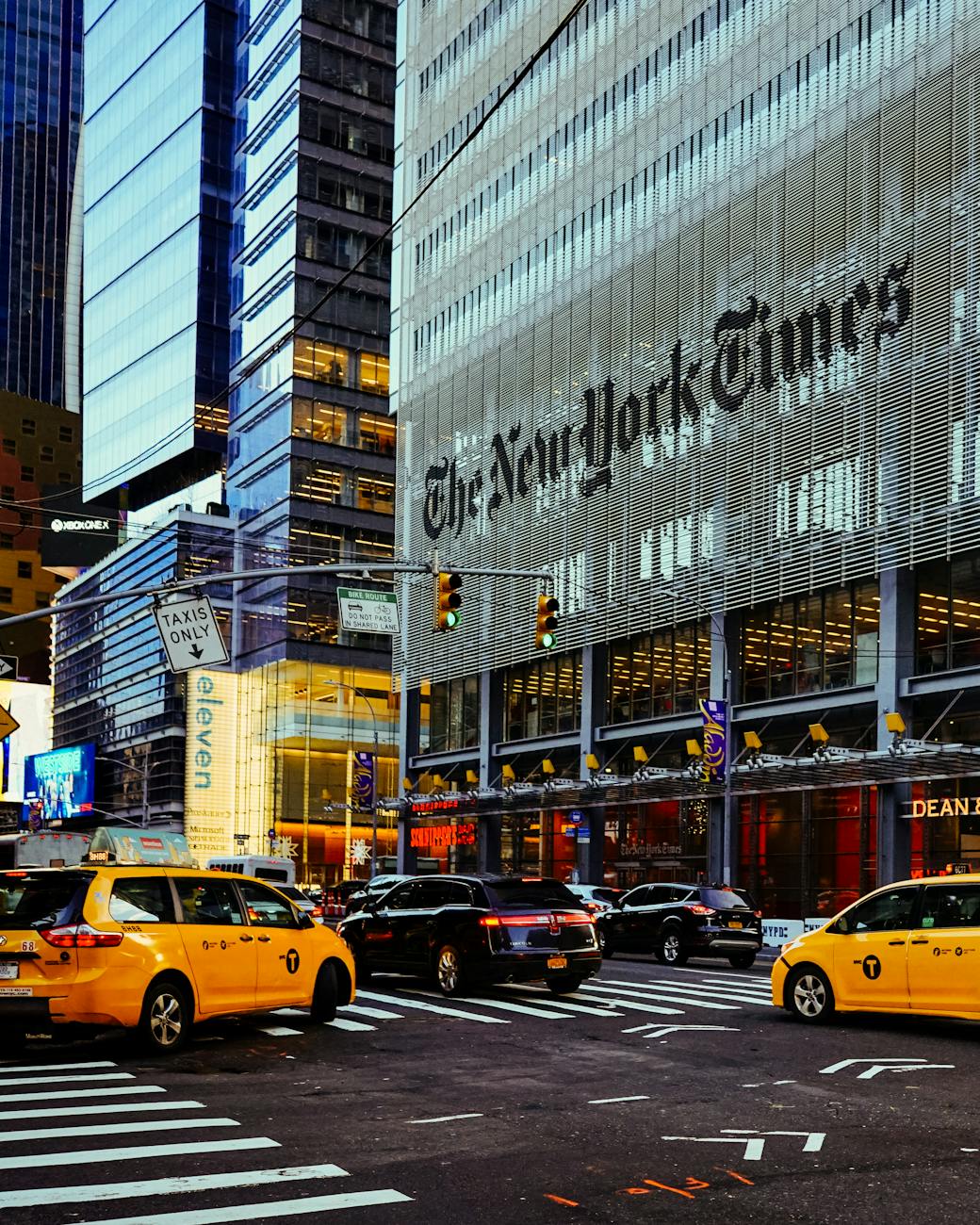
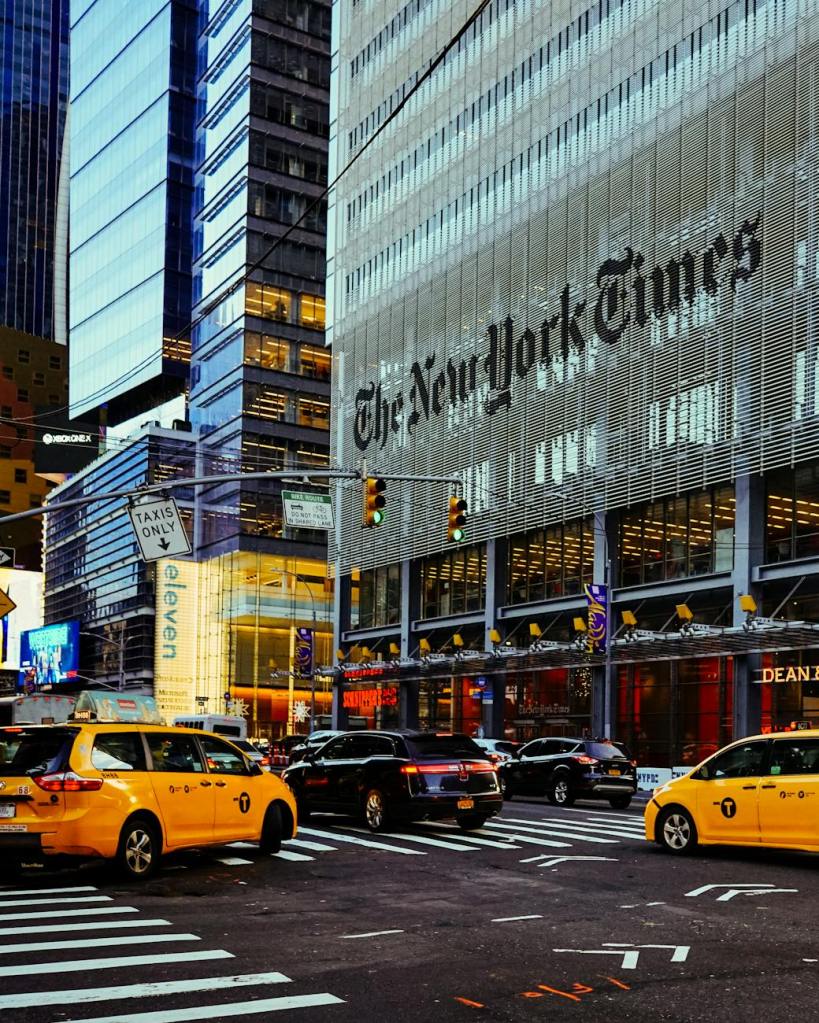
As I consider the year ahead, my mind goes to the image of the ball and Times Square.

The marking of a new year is actually about time.

And making resolutions is really about how we vow to use our time.

When I think about it that way, it seems relatively easy to make my resolutions: to spend more time with family and friends; to spend more time in quiet contemplation/meditation; to spend time in volunteering/serving; to spend more time in being thankful; to spend more time relaxing and just enjoying the gift of

time.

How will you spend your time in 2025?

No One is Immune to Scams

The current image has no alternative text. The file name is: image-2.png

Last week, I had a terrible online experience. I am sharing what happened in hopes that you will be able to escape this kind of scam.

I went on my product page on Amazon books (you should do this periodically, authors) to make sure everything was still working properly.

It wasn’t.

Somehow, someone had been able to access my site. There among my books, was a fake book cover, with an unknown author name, and a book description copied from a book I published in 2018.

I notified both KDP and Amazon. Each told me that it was the other that I needed to seek help from. Each sent me links of articles to read and forms to fill out. They asked for screenshots, isbn numbers, and so on.

I ended up doing my own research, finding their fake publishing company name in Indonesia and booksellers in Florida responsible for selling the fake book (however, they are now listed as out of business).

I’m not sure what will happen with all of this, but I encourage you to be vigilant in checking your own site(s) on a routine basis. 

No one is immune to scams.

Lossent

The current image has no alternative text. The file name is: pexels-photo-8419515.jpeg

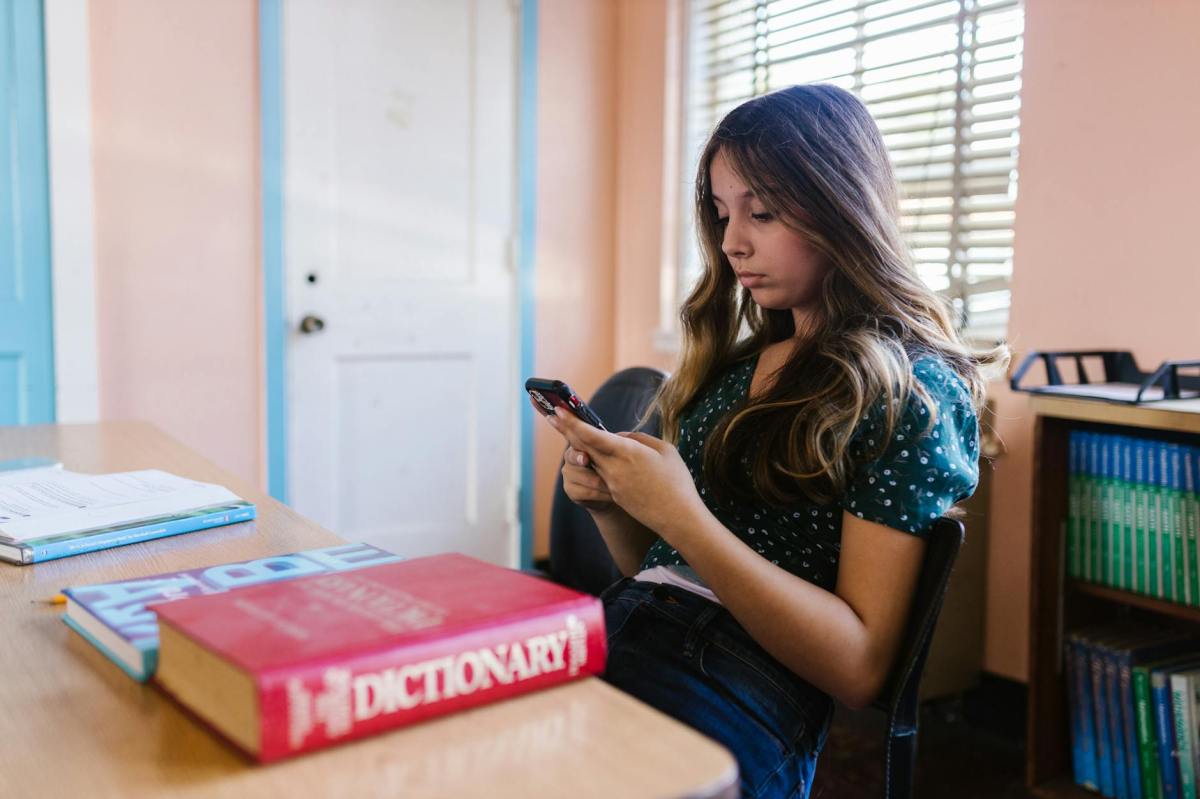
At a recent book fair, a shopper introduced me to a new word she is trying to get into the dictionary. (I’ll share the word at the end of this post). She is out “campaigning” for this word at book fairs, libraries, grocery stores—anywhere she thinks someone will be interested and will help.

I did some research to aid in my understanding of just how new words do, in fact, join the hundreds of words which are added to the dictionary each year. And, here is what I found:

  1. A words gets into the dictionary when it is used by many people who all agree that it means the same thing. (Used in conversation, books, in movies, editorials, etc.)
  2. Dictionary editors read and look for changes in language in mainstream life. They keep notes on where they “read” the word, its context, and source and key it into a searchable database. 
  3. To be added to the dictionary, they look for three types of usage: frequency, meaningfulness, and widespread use. Once words “qualify,” (such as bucket list, unfriend, selfie) they are added to the dictionary.
  4. Some common words get “new” definitions added, also. Examples would be: cookie and mouse.
  5. Here is the word the book fair lady shared: LOSSENT. It means a person who outlives their biological, fostered, or adopted child and is deeply affected by the loss.
  6. You may want to start using this term and help LOSSENT earn a place in the dictionary!

Remember Me: A Sonnet for Marigold

I’ve blogged to readers and writers about book covers, “Hooks,” keywords, suspense, punctuation, back cover blurbs, choosing one’s audience, marketing, pen names, and so on. 

Can any one single book can possibly deliver on all fronts?

This one comes close. From cover-to-cover, Remember Me: A Sonnet for Marigold, was written with each aspect of the writing process in mind.

Here are excerpts from the back cover copy and blurb, along with the stunning cover. Who wouldn’t be drawn into this story?

Does true love really last forever? Author Mia Michaels creates a world where all reason is lost to the magic of love.

From the moment Mike’s plane crashes, Natalie’s world is turned upside down. As she struggles to remember the details of her life after suffering a brain injury in the same crash that killed Mike, a shocking revelation about an affair with the handsome pilot surfaces, leaving her questioning everything. 

Almost losing Natalie in the horrific incident gives Paul a wake-up call. He is determined to be the husband she needs, but at every turn, someone tries to sabotage their new commitment to one another. Who is sending her gifts, trying to turn her heart away from Paul? And what is the role of Mari and Pierre, two mysterious figures who seem to be connected to this love triangle?

 If only Natalie’s memory would return, perhaps she and Paul could rebuild their relationship before it’s too late.

Just when you think you’ve figured out the truth behind this love triangle, author Mia Michaels throws in an unexpected twist in this gripping Romantic Suspense novel. Remember Me will leave readers on the edge of their seats. Sprinkled with humor and a dash of fantasy, you’ll find everything you like—and more—in this modern breakout novel.

Don’t miss this unpredictable journey of true love. BUY NOW on Amazon.com

The Search

The current image has no alternative text. The file name is: pexels-photo-1661575.jpeg

My husband and I have been shopping for new entry doors for our home. Until we began this search, we had no idea how many styles and materials are available.

We made a list of manufacturers from an internet search and set out to visit as many of these in person as possible this past week.

We discovered that prices, styles, and quality vary. No surprise.

We also discovered that my husband’s preferences are different than mine. No surprise there, either.

The process reminds me of when we shop for books at a book store. We are first drawn in by the cover, then the genre, price, and so on.

That’s why I always say that you CAN judge a book by its cover—or at least it’s true that readers DO judge books by their covers–at least initially.

So draw readers inside with an amazing cover. Then, be sure what’s inside meets their expectations.

The Cover is the Hook

At an auction, I ended up with a book by an unfamiliar author. I had a stack of books at home to read. I certainly didn’t need another one, but as I placed it on the bottom of the stack, I wondered to myself why its author had decided on such a nondescript cover. Not beautiful. Not exciting. Not memorable.

With dozens of books in my Must Read stack, why would I even include this one?

I made the mistake of turning to page one. Five hours later, I looked at the clock. I’d almost finished the entire book!

It was a great book. Unique plot. Suspenseful, with touches of humor—certainly proof that you can’t judge a book by its cover.

But should you?

Is it really important to have an engaging cover that will attract readers?

Of course it is! Case in point, if I hadn’t accidentally come across this book, I would not have read it. There was nothing compelling about its cover.

Authors, there is so much competition out there! We cannot afford to leave it up to chance readers to pick up our books. Be intentional. Hook the reader from the moment they see the cover–and keep them reading to the end.