Can You Find the Dog With a Missing Tail?

The current image has no alternative text. The file name is: pexels-photo-6193753.jpeg

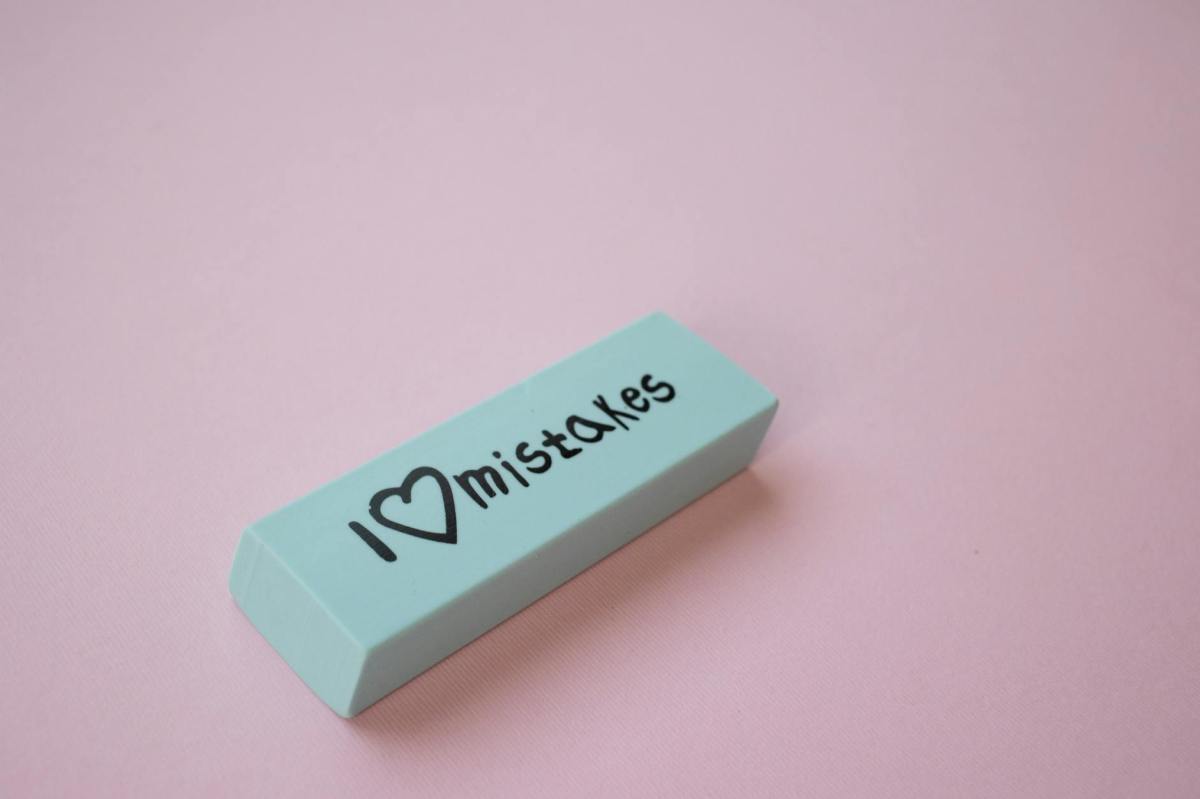
As a youngster, I loved getting an educational magazine in the mail each month. A gift from my Uncle Bill, I really enjoyed one of the pages in which I needed to find what was missing from a drawing. The dog might have a missing tail, a plant a missing flower, a car missing a tire, and so on. Basically, the reader was being asked to find “mistakes.”

If you enjoy that same sort of thing, perhaps consider becoming an editor. It might end up being an interesting and even lucrative career.

If you have good punctuation skills, love to read stories, and understand grammatical rules, you’re on your way!

You dont need a license or certification, but, of course, you want to make sure you have the necessary skills or you won’t get good reviews or any “repeat” business.

Even though not required, certifications are one way editors may use to differentiate themselves from their competitors, building the trust of their clients. You may want to take a course by a professional organization that requires you to pass an exam and demonstrate a high level of proficiency. Choose a program offering a comprehensive curriculum in grammar, style, copy and proofreading, and content strategy.

Here are the top Editor Certifications: Adobe Certified Expert (ACE) and Adobe Audition Certifications, Avid Certified Professional (ACP), Apple Certified Pro, and Logic Pro X,  Blackmagic Design DaVinci Resolve Editor Certification, and Grass Valley Edius Editor Certification.

Program costs generally range between $150 and $300.

What are reasonable fees you can charge? I’ll write about that next week.

Making a Go Of it With a Pen Name

The current image has no alternative text. The file name is: remember-me-final_front-2.jpg

Obsessed for years with the movie, Somewhere In Time, and a 1862 poem by Christina Rosetti, entitled Remember, I set about writing a book in a genre very different from my own.

Since this book is unlike the fiction I have been writing for many years, I just relaxed and had fun with it. No expectations on my part. Only curiosity as to how it would be accepted by my reading audience.

I placed it in the category of Romantic Suspense. However, recent reviewers have suggested that it is better described as a “Psychological Thriller.” It has a touch of fantasy and even paranormal, but Psychological Thriller??? This blows my mind!

Wondering what to do with your afternoon? Here’s the Amazon link. Read a portion for free. You’ll be hooked. https://www.amazon.com/dp/B0DP5L58SD

Have You Heard That Word Before??

The current image has no alternative text. The file name is: pexels-photo-8419515.jpeg

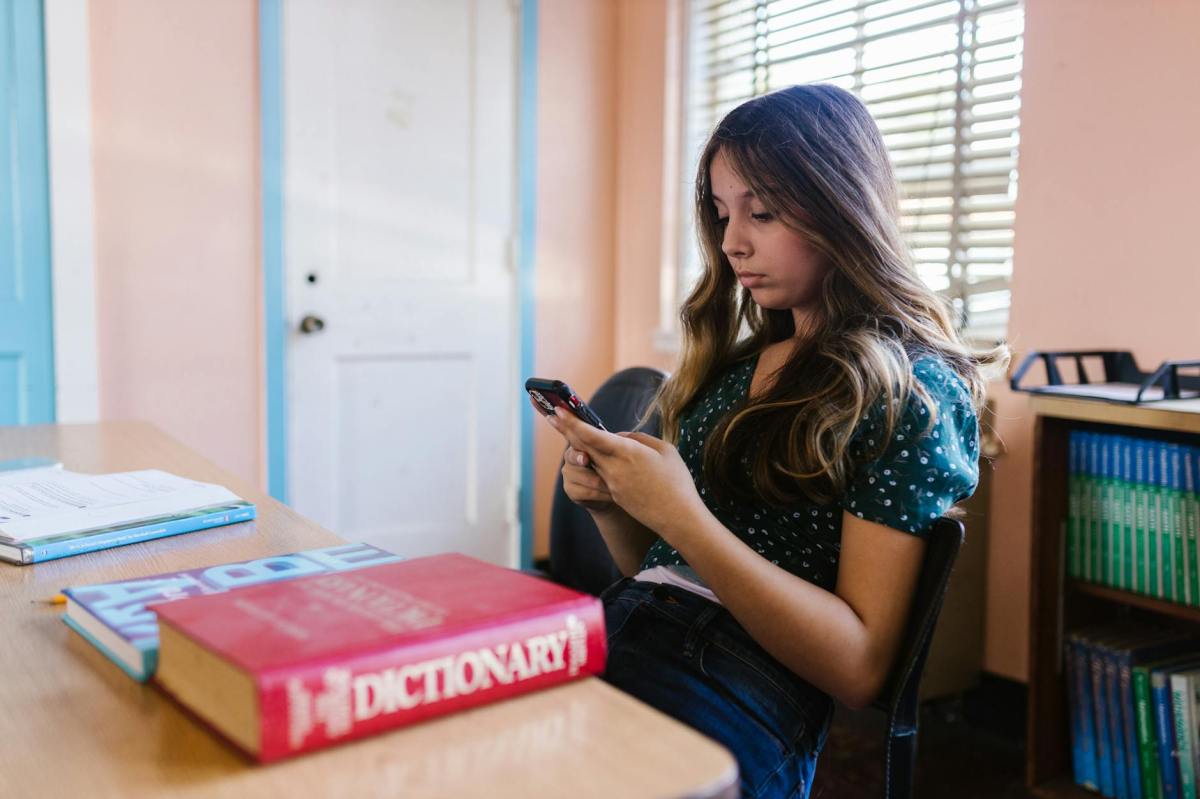
An author-friend of mine and I often read each other’s work. Last week she used a word in her story that I hadn’t heard before. 

I normally use context clues to gain meaning of unfamiliar words, but in this case I still wasn’t sure. I had to look it up.

I ‘ve heard more than once that readers either skip over unfamiliar words (thus not gaining the express meaning of a sentence) or if the author uses too many of them, they put the book aside.  Sometimes they do look up the meaning. However, they become irritated if there are too many unfamiliar words in a book and most likely will not select books from that author again.

Readers, please share how you react to unfamiliar words in the books that you read. Authors really do want to hear from you. After all, we really do write for YOU!

A Friendly Reminder for Authors

The current image has no alternative text. The file name is: pexels-photo-7688522.jpeg

I am in the midst of completing my taxes. This blog post is just a friendly reminder that authors need to have an LLC (in my opinion) and complete tax forms for your business each year. Be sure if you don’t have one to at least read all the information on the internet about them so you can make a wise decision.

I’m sure you’ll agree that your taxes are a lot easier to do, if you keep records of your expenditures. The easiest way to do this is to have a separate business credit card that you don’t use for anything else. That way, you’ll have a running record of every purchase. Also get a separate checking account in the business name so all of your statements will show your writing/publishing direct deposits and payments to your credit card.

Your yearly credit card fee, as well as checks purchased are deductible in certain cases. Check out for yourself.

Still keep all of your receipts from things purchased with cash (which should be rare).

If you have a dedicated home office, measure it. Your tax person will be able to calculate how much of it will be tax deductible, along with a percentage of your heating, cooling, and electricity.

The point of all this is to get those taxes out of the way so you can devote your time to something more enjoyable—like writing!!!

Disclaimer: I am not a tax consultant, so run everything I’ve said by your own tax person.

Reach for the Stars

The current image has no alternative text. The file name is: pexels-photo-9821386.jpeg

Do you remember coming home from school with a tiny foil star for exemplary behavior or academic accomplishment?

The idea of receiving stars for “the remarkable” carries on to present day when they are even earned on the internet by people, products, vacations, songs, photographs, inventions, and so on.

We’re all aware of what they mean. We appreciate—even strive to—“earn” them.

No one is more aware of this concept than authors. Stars from reviewers translate into public awareness of them and their books, which ultimately mean sales.

We put forth our best everyday, keenly aware that our final product will be judged by our readers. Our end goal is a product worthy of those priceless five-star reviews. 

“New” Trends From the Past

The current image has no alternative text. The file name is: pexels-photo-30945289.jpeg

Over lunch, a friend asked me if there were any new trends in writing for 2025. 

Honestly? I hadn’t checked. However, when I got home, I searched the internet.

I didn’t find anything new, but I found three trends from years past that are getting stronger—recommended more and more often.

1) Podcasts– customers still like that “personal” touch!

      2) Updating your author bios, personal anecdotes, and your unique brand.

      3) Write blogs based on first-hand knowledge, rather than what you have gained from the internet or someone else (unless from an interview with a famous person!)


      Do You Really Need Them All?

      The current image has no alternative text. The file name is: pexels-photo-4013304.jpeg

      There are four types of book reviews—and reviewers. It is suggested that authors benefit from garnering reviews from all of them.

      Peer reviews:These are reviews by another author who writes in the same genre. If possible, these would be from a more seasoned and well-known author than yourself. 

      Editorial reviews: These mostly focus on grammar, spelling, plot, structure, formatting, POV, etc. by an editing professional.

      Manuscript reviews: These are overviews to help the author evaluate his/er own writing. They include those similar to the editorial review, but also delve into story consistency, character development, dialogue issues, pacing, and more.

      Customer reviews:  These are from individual readers. Make it easy for consumers to post these by providing links to social media, Amazon, and so on.

      Remember Me

      It’s two days past the official Valentine’s Day, but it’s not too late to put your Romance Novel on your Facebook page. Most women—and even a growing number of men—are reading love stories as one way to find encouragement, hope, and relieve the stress of everyday life.. 

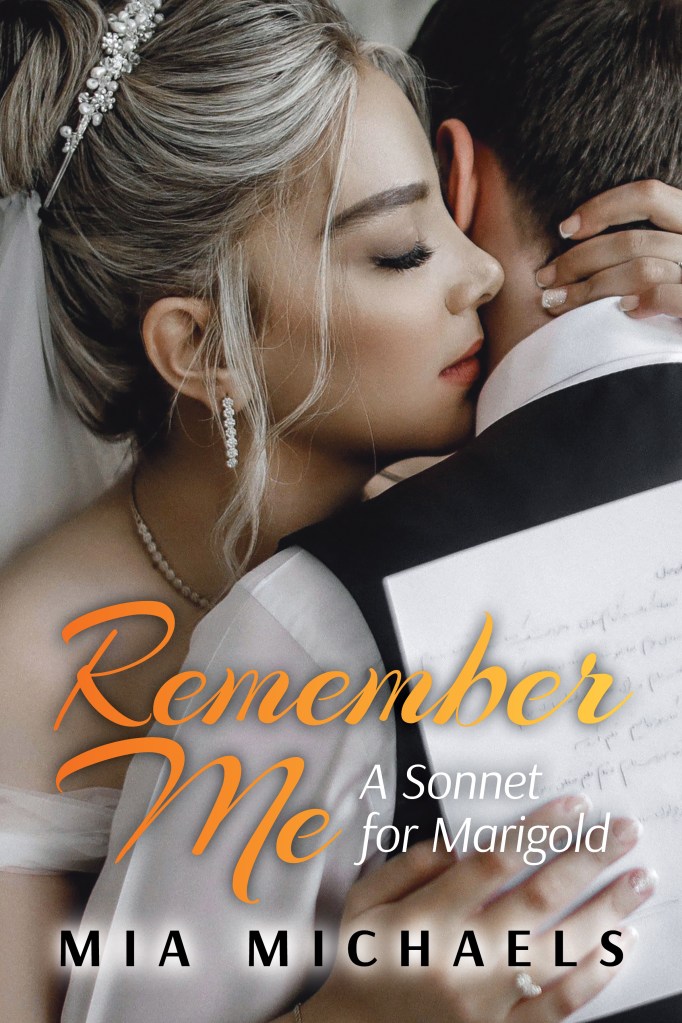
      Here’s my friend, Mia’s, book cover—and its Amazon link. Consider reading it yourself, as well as sending it to your friends. It’shttps://www.amazon.com/Remember-Me-Marigold-Mia-Michaels-ebook/dp/B0DP5L58SD/ref=sr_1_1?crid=3GPOU9W0X70TI&dib=eyJ2IjoiMSJ9.zYBdJYfWJGrvCOpeXExywkUlY2YBnX_fdMcwBBLvWeXGjHj071QN20LucGBJIEps.k94iT6aG5r7y3uxfnHunmj4K6ZlGmKuYWvGb40P77hw&dib_tag=se&keywords=Remember+Me:+A+Sonnet+for+Marigold&qid=1739555530&s=books&sprefix=remember+me+a+sonnet+for+marigold,stripbooks,151&sr=1-1

      It’s a real pager-turner. A mixture of romance and suspense!

      Update

      The current image has no alternative text. The file name is: pexels-photo-30605307.jpeg

      Have you been thinking of updating one of your books? 

      If you’d like to change your book’s details (contributors, categories, or description), manuscript, cover, or territory and publishing rights) here’s how to do it: 

      Click on the ellipsis button next to your book on your bookshelf. Choose EDIT BOOK DETAILS, then SAVE AND CONTINUE. 

      At the bottom of the Pricing page, click PUBLISH. Amazon will review your book to ensure it still meets their guidelines for quality/standards.

      Some changes can be made directly to the published version on your bookshelf. Other changes require you to publish a new edition of your book.

      Certain features are “locked” and cannot be updated until you publish the book as a new title (a new edition) from your KDP Bookshelf.  They are: language, title, subtitle, edition, primary author, digital rights management.

      Unpublished Your Book

      The current image has no alternative text. The file name is: pexels-photo-1148399.jpeg

      Last week we concluded that books without an assigned ISBN and have never been published can be deleted from an author’s KDP bookshelf.

      If a book has been published, it can be unpublished, but it cannot be removed from the KDP bookshelf.

      Authors can do this by clicking UNPUBLISH under the ellipsis button. Once done, it will no longer be listed for sale.

      It WILL remain on the author’s bookshelf, unless you archive it using the same ellipsis button, but selecting ARCHIVE TITLE instead. (And, yes, you can “unarchive” in the same manner.)

      Next week, I’ll tackle the subject of updating books.