The Rules Keep Changing

The current image has no alternative text. The file name is: pexels-photo-4027658.jpeg

I picked up a used paperback novel from 1998, this week. I scrutinized the front and back covers, the interior layout, paragraphing, and the author’s writing style.

I was intrigued by how much the rules of writing have changed over the past twenty-five years. What once was considered to be commonplace is now touted as a “no-no.”

I consulted Amazon to see if this particular book—by a very well-known author—was typical of that era. Once I determined that it was, I decided to share my observations here.

Back in the 70’s. Front covers weren’t nearly as exciting and didn’t give many clues as to actual content, back covers didn’t always include a book description (in fact, many times the author’s picture was all that was displayed there).

The biggest changes I found were inside. Paragraphs were laboriously long, sometimes two pages in length! They were often single-spaced.

What we refer to now as “head-hopping” was quite common. The point-of-view of several characters found in a single paragraph! Finally, many times stories were “told” rather than shown by action.

This all makes sense because we now live in a world of texting, which prompts the use of short sentences. There is a lot of white space on our pages, as readers are familiar with that style on their computers. With so many movies and videos, readers want lots of action vs. pages and pages of introspection.

Writing/reading styles reflect the times in which we live. That means authors constantly adjust their “product” according to current trends in our society.

Fashions change. Tastes change. Due to our connection to social media, they race ahead at record speed. No need for us to be surprised that writing trends are constantly changing, too.

Should I Blame AI?

The current image has no alternative text. The file name is: pexels-photo-923681.jpeg

I read a book this week that had a torture scene in it that kept me from sleeping one night.

It was by an author I hadn’t read before. One that the internet had said was an author of Christian Fiction. I was more than surprised when it turned out to be anything but.

I don’t think the description was purposeful, so I wonder if there might be some glitches in AI- assisted writing. 

Nothing is perfect. Could it be possible that AI can misunderstand?

And, if so, can AI “think” and make mistakes?

If that is true, then AI is scarier to me than any story a fellow author might write.

Patience and Character Development

The current image has no alternative text. The file name is: pexels-photo-4959799.jpeg

As an author, one of the skills I have learned is character development. In planning for my next book, I realized that the entire process of writing has helped in the development of my own character—specifically in the area of patience.

When ideas don’t come readily, I need the patience required to change directions, to write—and re-write, to let the characters evolve. 

Things like research, title selection, cover choice, and marketing take up a good deal of time.

All require patience. And patience is basically about time—about waiting—about pacing.

The more I exercise patience, the easier it is for me to concentrate and enjoy this time-consuming craft.

How about you? As an author, what character traits have you learned/developed that have made a difference in your writing?

A Friendly Reminder for Authors

The current image has no alternative text. The file name is: pexels-photo-7688522.jpeg

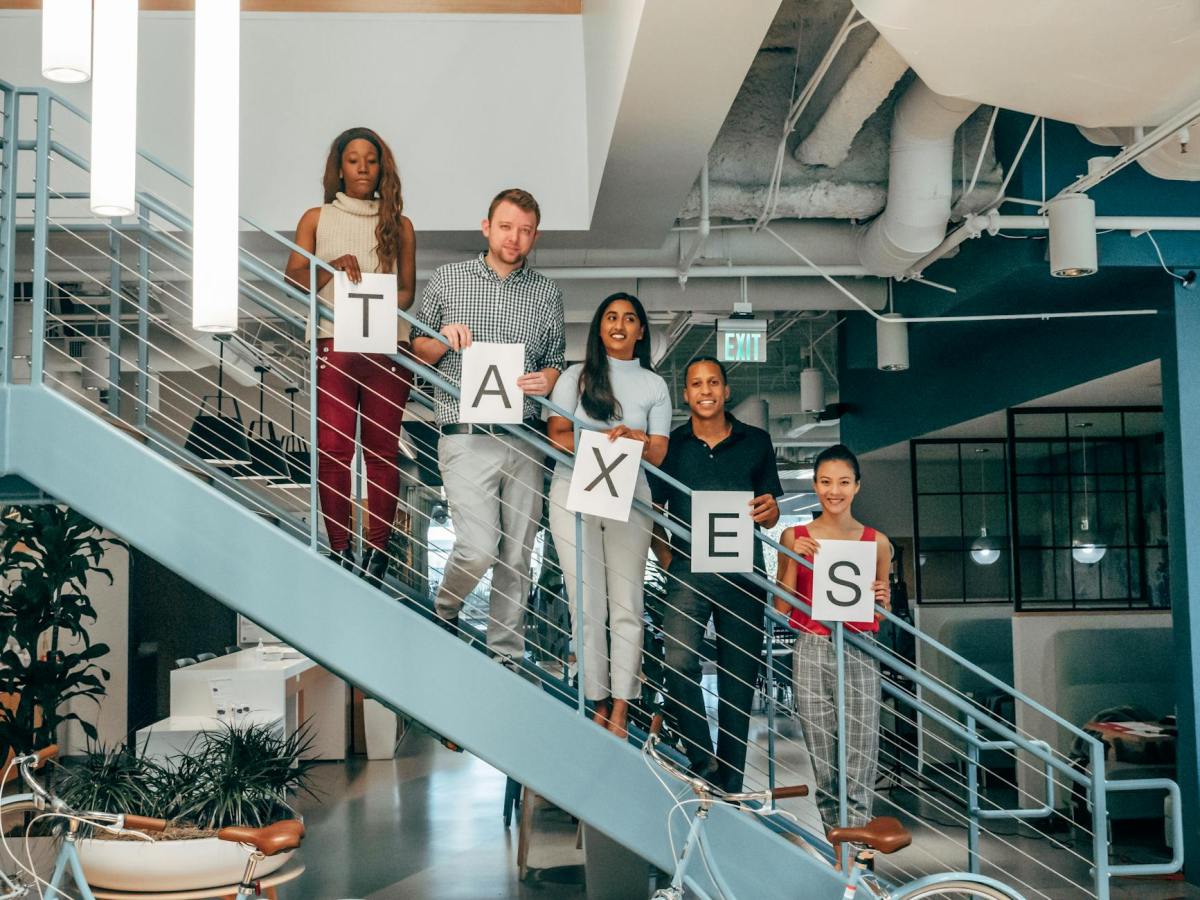
I am in the midst of completing my taxes. This blog post is just a friendly reminder that authors need to have an LLC (in my opinion) and complete tax forms for your business each year. Be sure if you don’t have one to at least read all the information on the internet about them so you can make a wise decision.

I’m sure you’ll agree that your taxes are a lot easier to do, if you keep records of your expenditures. The easiest way to do this is to have a separate business credit card that you don’t use for anything else. That way, you’ll have a running record of every purchase. Also get a separate checking account in the business name so all of your statements will show your writing/publishing direct deposits and payments to your credit card.

Your yearly credit card fee, as well as checks purchased are deductible in certain cases. Check out for yourself.

Still keep all of your receipts from things purchased with cash (which should be rare).

If you have a dedicated home office, measure it. Your tax person will be able to calculate how much of it will be tax deductible, along with a percentage of your heating, cooling, and electricity.

The point of all this is to get those taxes out of the way so you can devote your time to something more enjoyable—like writing!!!

Disclaimer: I am not a tax consultant, so run everything I’ve said by your own tax person.

Take A Peek

The current image has no alternative text. The file name is: screenshot-2023-07-07-at-7.11.48-am.png

I recently published another book. I looked at my book’s listing by typing its title in the AMAZON BOOKS search bar. However, I found that the LOOK INSIDE feature had not yet been activated.

This feature should be showing up online from 7-10 days after a book is published.

I later discovered it wasn’t that my feature had not yet been activated–Amazon had changed the feature. Now, there is a READ SAMPLE button below the book’s cover image, allowing potential buyers to click and receive a sample to read.

That’s really all that has changed.

So, authors, don’t be disappointed if you don’t see the cute LOOK INSIDE icon. It’s simply a change of wording. 

This is a great feature, when you think about it. READING SAMPLES allow readers to add the book to their cart or use 1-click to purchase instantly. They feel more comfortable ordering after “sampling”, discovering if it is a book they will truly like.

Note: Some features/pages aren’t available (or only available in limited amounts) unless the customer is logged into their account and/or have made a prior purchase. 

Authors need to be aware that this feature is NOT available for books with no ISBN, the sample cannot be adjusted, and specific pages cannot be designated to be “hidden” from view.

This is important to know. A friend of mine had pages entitled “Dear Reader”, Dedication, and so on at the beginning of her book. Because these took up about 8-10 pages, customers only saw those pages—and not any real story content. Authors may need to adjust the front matter in their books accordingly so customers can receive a meaningful sampling of their writing.

Unlike in previous years, Amazon now automatically activates the reading sample feature for authors. Less work for us!!

The Read Sample button is only available for e-books when using a mobile device  AND, it is not available for print books on mobile phones. 
Reading Trends for Writers

The current image has no alternative text. The file name is: 47572746831_4dd6b67740.jpg

Understanding book sales is important for authors and publishers.

All of my books have been fictional. Each based on ideas that interest me at the time.

However, gurus are suggesting authors take a scientific approach to choosing our topics and genres.

With another book published—and starting to write yet another—I set out to garner information on trends among American readers. 

Recents surveys show that nearly half of Americans polled haven’t read any books in more than a year!

So then, let’s focus our attention on the other half—the readers.

I was surprised to learn that PRINT BOOKS continue to be the most popular format. E-books rank next; then audiobooks. 

The number of female readers is only slightly higher than for males.

Americans love HISTORY, MYSTERY, AND BIOGRAPHY.

Fiction sales gave gone up by 45% over the last five years. 

Non-fiction, especially political and self-help, are currently seeing a decline in interest. 

You can draw your own conclusions, but from these statistics, we might want to focus on women readers of history, mysteries, and biographies.

And although Romance has always been a popular genre—and probably will continue to be—perhaps now would be a good time for Romance writers to couple with the genres above…Romantic Suspense… Historical Romance, and so on.

Those are my thoughts based on a little research.

Lossent

The current image has no alternative text. The file name is: pexels-photo-8419515.jpeg

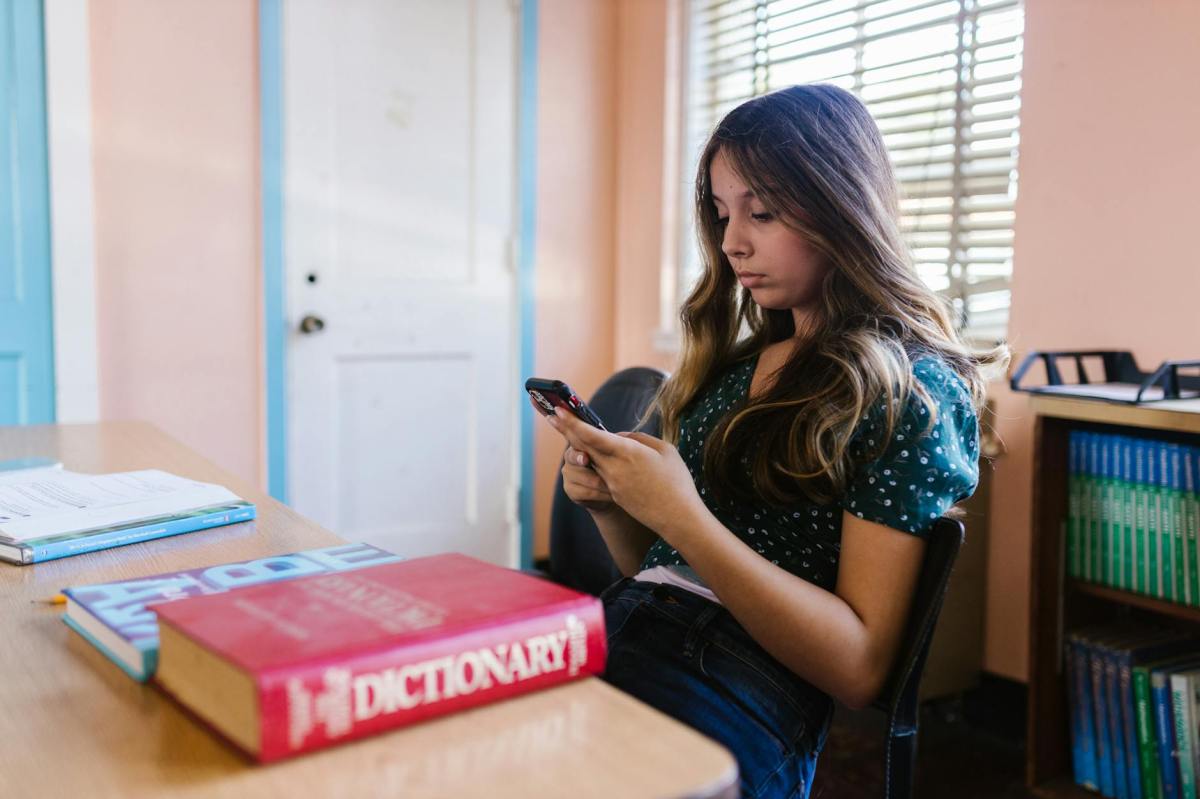
At a recent book fair, a shopper introduced me to a new word she is trying to get into the dictionary. (I’ll share the word at the end of this post). She is out “campaigning” for this word at book fairs, libraries, grocery stores—anywhere she thinks someone will be interested and will help.

I did some research to aid in my understanding of just how new words do, in fact, join the hundreds of words which are added to the dictionary each year. And, here is what I found:

  1. A words gets into the dictionary when it is used by many people who all agree that it means the same thing. (Used in conversation, books, in movies, editorials, etc.)
  2. Dictionary editors read and look for changes in language in mainstream life. They keep notes on where they “read” the word, its context, and source and key it into a searchable database. 
  3. To be added to the dictionary, they look for three types of usage: frequency, meaningfulness, and widespread use. Once words “qualify,” (such as bucket list, unfriend, selfie) they are added to the dictionary.
  4. Some common words get “new” definitions added, also. Examples would be: cookie and mouse.
  5. Here is the word the book fair lady shared: LOSSENT. It means a person who outlives their biological, fostered, or adopted child and is deeply affected by the loss.
  6. You may want to start using this term and help LOSSENT earn a place in the dictionary!

The Search

The current image has no alternative text. The file name is: pexels-photo-1661575.jpeg

My husband and I have been shopping for new entry doors for our home. Until we began this search, we had no idea how many styles and materials are available.

We made a list of manufacturers from an internet search and set out to visit as many of these in person as possible this past week.

We discovered that prices, styles, and quality vary. No surprise.

We also discovered that my husband’s preferences are different than mine. No surprise there, either.

The process reminds me of when we shop for books at a book store. We are first drawn in by the cover, then the genre, price, and so on.

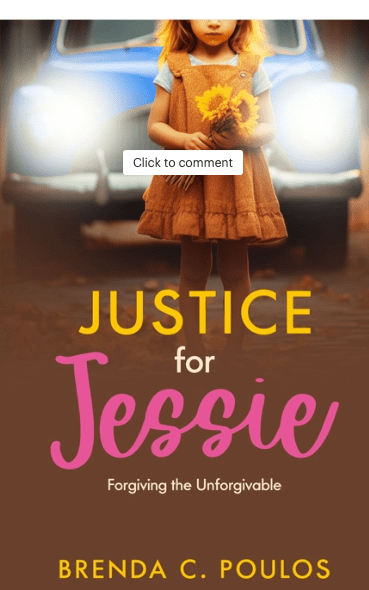
That’s why I always say that you CAN judge a book by its cover—or at least it’s true that readers DO judge books by their covers–at least initially.

So draw readers inside with an amazing cover. Then, be sure what’s inside meets their expectations.

 NINE REASONS TO READ

Here we are in the second half of the school year and all of a sudden news stories are filled with concern over the reading abilities of children. Being a good reader benefits children not only in Reading Class, but also benefits school success in in all subjects.

As a parent, be a good role model and let your children see you reading for pleasure at home. Reading is FUN and the more someone reads, the better reader he/she becomes.

  1. Reading is the discipline required to concentrate and helps children be successful in life and in understanding other subjects, such as science, mathematics, and history.
  2. Reading opens a child’s mind to the world and greatly increases his/her life prospects, as well making a good income. 
  3. Readers develop an appetite for knowledge in a variety of areas. 
  4. Good literature leads to appreciation of individual differences.
  5. A reader learns spelling, vocabulary and grammar, which also improves his/her writing and communication skills.
  6. Good readers are rarely dropouts. American college graduates earn 76 percent more on average than those with just a high school diploma.  
  7. Good readers have improved problem-solving and critical thinking skills, in addition to developing a sense of imagination and creativity. 
  8. A reader has an improved attention span and can comprehend news articles and other reading materials. 
  9. Poor literacy leads to unemployment, poverty, and crime, according to the U.S. Department of Education.

What Motivates You?

To piggy-back onto last week’s blog, let’s discuss our motivation for writing and how it affects our bank accounts.

Most writers will say that writing itself is intrinsically rewarding. They write what “speaks to them”… inspires them… It is those authors who write first for their own experience and enjoyment. They hope readers will like it, too, and become followers. While making money would be nice, it is not their main motivation.

But there are also those writers who pay attention to trends in reading. Their goal is to write what is popular and are motivated by the money they can make by doing so.

One reason for writing is not better or more “worthy” than another. Both have valid points. 

It is each author’s choice to write what they enjoy, what draws the reading audience, or whatever is lucrative.

And, readers, it is up to you to choose what you read. It is even okay to stop reading after a chapter or two, if the book is not what you envisioned it to be or if you feel it isn’t delivering a satisfying experience.

As in all of life’s decisions, the choice is yours.