The Rules Keep Changing

The current image has no alternative text. The file name is: pexels-photo-4027658.jpeg

I picked up a used paperback novel from 1998, this week. I scrutinized the front and back covers, the interior layout, paragraphing, and the author’s writing style.

I was intrigued by how much the rules of writing have changed over the past twenty-five years. What once was considered to be commonplace is now touted as a “no-no.”

I consulted Amazon to see if this particular book—by a very well-known author—was typical of that era. Once I determined that it was, I decided to share my observations here.

Back in the 70’s. Front covers weren’t nearly as exciting and didn’t give many clues as to actual content, back covers didn’t always include a book description (in fact, many times the author’s picture was all that was displayed there).

The biggest changes I found were inside. Paragraphs were laboriously long, sometimes two pages in length! They were often single-spaced.

What we refer to now as “head-hopping” was quite common. The point-of-view of several characters found in a single paragraph! Finally, many times stories were “told” rather than shown by action.

This all makes sense because we now live in a world of texting, which prompts the use of short sentences. There is a lot of white space on our pages, as readers are familiar with that style on their computers. With so many movies and videos, readers want lots of action vs. pages and pages of introspection.

Writing/reading styles reflect the times in which we live. That means authors constantly adjust their “product” according to current trends in our society.

Fashions change. Tastes change. Due to our connection to social media, they race ahead at record speed. No need for us to be surprised that writing trends are constantly changing, too.

It Was a Nice Trip, But…

The current image has no alternative text. The file name is: woman-happiness-sunrise-silhouette-40192.jpeg

We just returned from a vacation up north, where we experienced a reprieve from the summer heat. It was a nice trip, but I agreed with my husband when he said he was “ready to go home.”

I thought about his remark this morning as I  completed another chapter of my book. I’m winding down. Writing it has been a good experience, but I’m ready to finish this latest book.

Although title, cover, publishing, marketing all lie ahead, I always feel I’m “home” once the writing is done.

If you’ve been looking forward to reading Sunset Pointe, you won’t have to wait much longer. It could be out by the first of the year, or perhaps it will find its “home” in the midst of this year’s Christmas releases.

Where Do You Get Your Ideas?

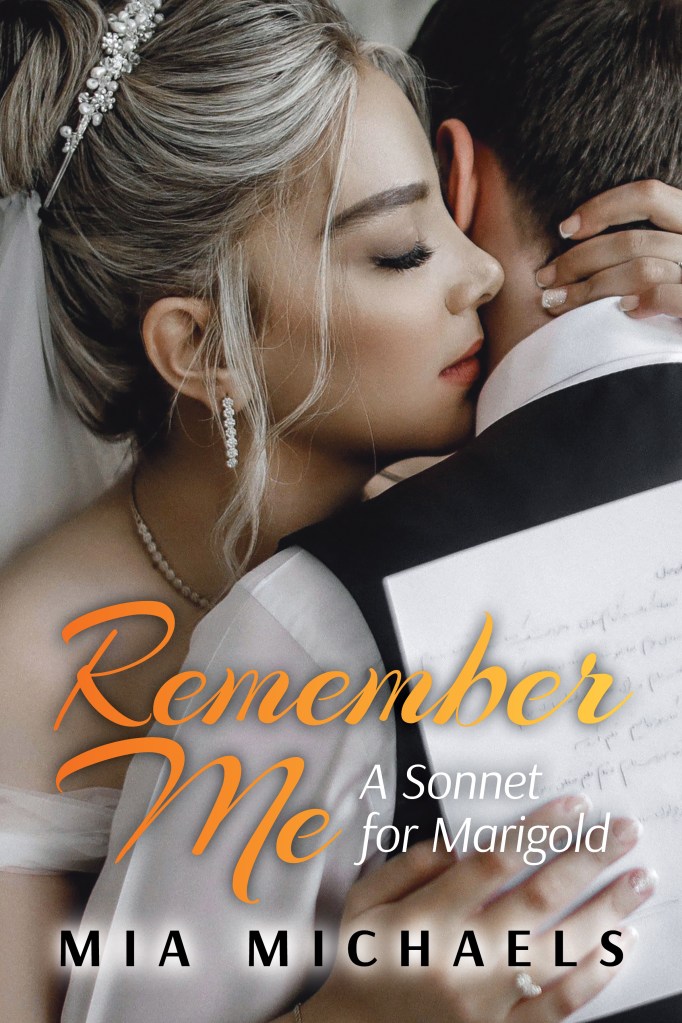
The current image has no alternative text. The file name is: remember-me-final_front-2.jpg

“Where do you get your book ideas?” people always ask me.

They don’t seem to believe me when I say, “They just pop into my head.”

But that is the truth.

Authors get their ideas many different places. There may be a news story that sparks a plot. It might be a place they vacation. Perhaps it’s a dinner companion that announces, “Hey, I’ve got a great story for you.”

Several years ago, as a Hospice Volunteer, I was sitting with a patient who had her walls literally covered with photos of herself and her husband. They had been in a troupe of dancers in the early days of their marriage. Story idea?

Once I was reading a children’s picture book to my granddaughter and it became a catalyst for an intense drama—nothing like the children’s story, but there must have been a thread there…

One of my books was sparked by a recurring dream.

Book ideas can come from anywhere. But if you’re in the middle of writing something else, do what I do. Jot the idea in depth in your idea notebook for later on down the road.

Authors, where have you gotten your book ideas?

Readers, do you have ideas you think would give rise to the next bestseller?

Care to share?

Take A Peek

The current image has no alternative text. The file name is: screenshot-2023-07-07-at-7.11.48-am.png

I recently published another book. I looked at my book’s listing by typing its title in the AMAZON BOOKS search bar. However, I found that the LOOK INSIDE feature had not yet been activated.

This feature should be showing up online from 7-10 days after a book is published.

I later discovered it wasn’t that my feature had not yet been activated–Amazon had changed the feature. Now, there is a READ SAMPLE button below the book’s cover image, allowing potential buyers to click and receive a sample to read.

That’s really all that has changed.

So, authors, don’t be disappointed if you don’t see the cute LOOK INSIDE icon. It’s simply a change of wording. 

This is a great feature, when you think about it. READING SAMPLES allow readers to add the book to their cart or use 1-click to purchase instantly. They feel more comfortable ordering after “sampling”, discovering if it is a book they will truly like.

Note: Some features/pages aren’t available (or only available in limited amounts) unless the customer is logged into their account and/or have made a prior purchase. 

Authors need to be aware that this feature is NOT available for books with no ISBN, the sample cannot be adjusted, and specific pages cannot be designated to be “hidden” from view.

This is important to know. A friend of mine had pages entitled “Dear Reader”, Dedication, and so on at the beginning of her book. Because these took up about 8-10 pages, customers only saw those pages—and not any real story content. Authors may need to adjust the front matter in their books accordingly so customers can receive a meaningful sampling of their writing.

Unlike in previous years, Amazon now automatically activates the reading sample feature for authors. Less work for us!!

The Read Sample button is only available for e-books when using a mobile device  AND, it is not available for print books on mobile phones. 
Reading Trends for Writers

The current image has no alternative text. The file name is: 47572746831_4dd6b67740.jpg

Understanding book sales is important for authors and publishers.

All of my books have been fictional. Each based on ideas that interest me at the time.

However, gurus are suggesting authors take a scientific approach to choosing our topics and genres.

With another book published—and starting to write yet another—I set out to garner information on trends among American readers. 

Recents surveys show that nearly half of Americans polled haven’t read any books in more than a year!

So then, let’s focus our attention on the other half—the readers.

I was surprised to learn that PRINT BOOKS continue to be the most popular format. E-books rank next; then audiobooks. 

The number of female readers is only slightly higher than for males.

Americans love HISTORY, MYSTERY, AND BIOGRAPHY.

Fiction sales gave gone up by 45% over the last five years. 

Non-fiction, especially political and self-help, are currently seeing a decline in interest. 

You can draw your own conclusions, but from these statistics, we might want to focus on women readers of history, mysteries, and biographies.

And although Romance has always been a popular genre—and probably will continue to be—perhaps now would be a good time for Romance writers to couple with the genres above…Romantic Suspense… Historical Romance, and so on.

Those are my thoughts based on a little research.

Lossent

The current image has no alternative text. The file name is: pexels-photo-8419515.jpeg

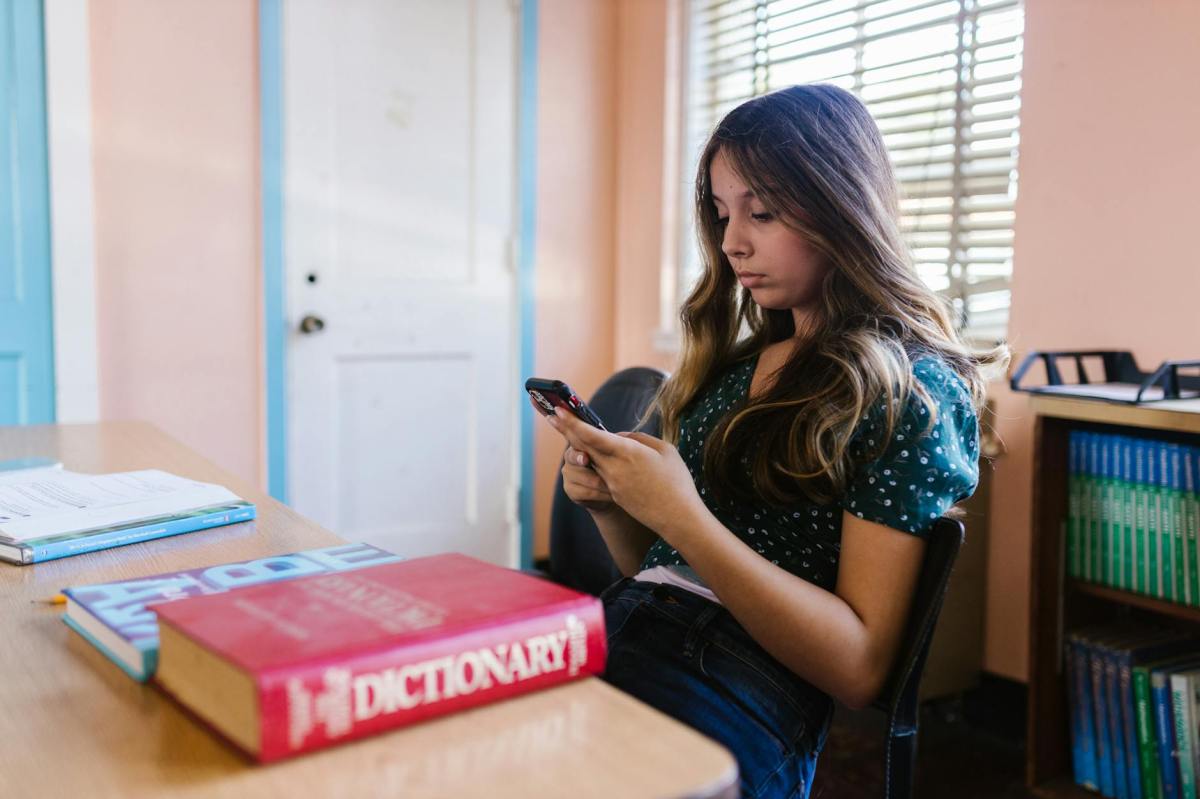
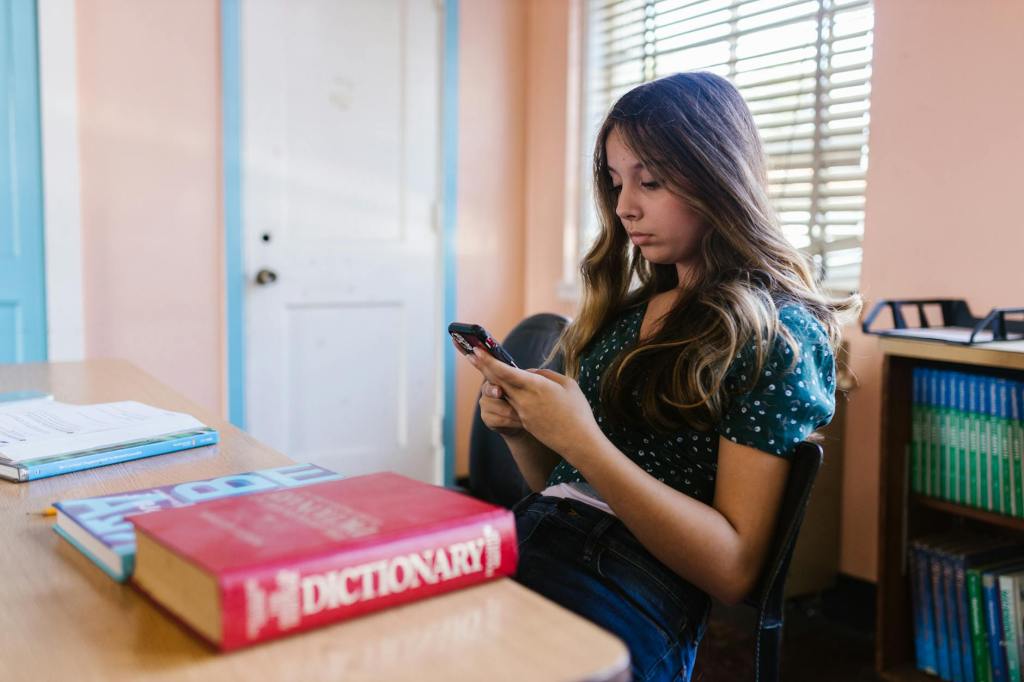
At a recent book fair, a shopper introduced me to a new word she is trying to get into the dictionary. (I’ll share the word at the end of this post). She is out “campaigning” for this word at book fairs, libraries, grocery stores—anywhere she thinks someone will be interested and will help.

I did some research to aid in my understanding of just how new words do, in fact, join the hundreds of words which are added to the dictionary each year. And, here is what I found:

  1. A words gets into the dictionary when it is used by many people who all agree that it means the same thing. (Used in conversation, books, in movies, editorials, etc.)
  2. Dictionary editors read and look for changes in language in mainstream life. They keep notes on where they “read” the word, its context, and source and key it into a searchable database. 
  3. To be added to the dictionary, they look for three types of usage: frequency, meaningfulness, and widespread use. Once words “qualify,” (such as bucket list, unfriend, selfie) they are added to the dictionary.
  4. Some common words get “new” definitions added, also. Examples would be: cookie and mouse.
  5. Here is the word the book fair lady shared: LOSSENT. It means a person who outlives their biological, fostered, or adopted child and is deeply affected by the loss.
  6. You may want to start using this term and help LOSSENT earn a place in the dictionary!

The Search

The current image has no alternative text. The file name is: pexels-photo-1661575.jpeg

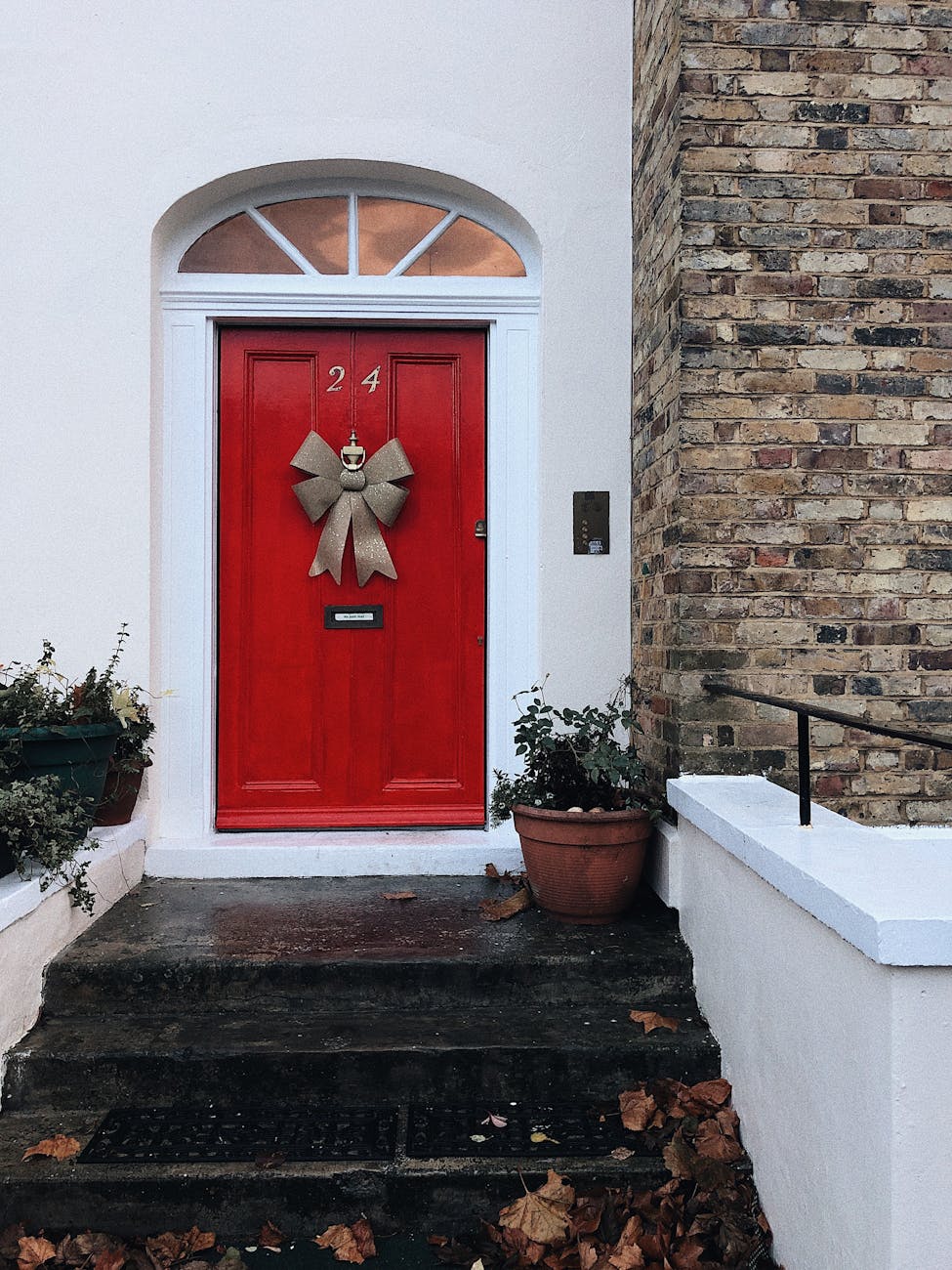
My husband and I have been shopping for new entry doors for our home. Until we began this search, we had no idea how many styles and materials are available.

We made a list of manufacturers from an internet search and set out to visit as many of these in person as possible this past week.

We discovered that prices, styles, and quality vary. No surprise.

We also discovered that my husband’s preferences are different than mine. No surprise there, either.

The process reminds me of when we shop for books at a book store. We are first drawn in by the cover, then the genre, price, and so on.

That’s why I always say that you CAN judge a book by its cover—or at least it’s true that readers DO judge books by their covers–at least initially.

So draw readers inside with an amazing cover. Then, be sure what’s inside meets their expectations.

The Cover is the Hook

At an auction, I ended up with a book by an unfamiliar author. I had a stack of books at home to read. I certainly didn’t need another one, but as I placed it on the bottom of the stack, I wondered to myself why its author had decided on such a nondescript cover. Not beautiful. Not exciting. Not memorable.

With dozens of books in my Must Read stack, why would I even include this one?

I made the mistake of turning to page one. Five hours later, I looked at the clock. I’d almost finished the entire book!

It was a great book. Unique plot. Suspenseful, with touches of humor—certainly proof that you can’t judge a book by its cover.

But should you?

Is it really important to have an engaging cover that will attract readers?

Of course it is! Case in point, if I hadn’t accidentally come across this book, I would not have read it. There was nothing compelling about its cover.

Authors, there is so much competition out there! We cannot afford to leave it up to chance readers to pick up our books. Be intentional. Hook the reader from the moment they see the cover–and keep them reading to the end.

Tell Your Story

If you watched the Republican National Convention this past week, you heard from average Americans who had been invited to speak. We hung on their every word—a testimony to the power of story.

This experience reminded me of why biographies, autobiographies, and memoirs have become so popular. 

We all love a good story. If you have one, tell it.

If you know someone with a meaningful story, encourage them to share it.

There will always be a thread of truth that will tug at someone else’s soul—a common theme or experience that will resonate with them.

And that, my friends, has the power to echo into eternity.

Mending Fences

My novella, Mending Fences, is now on Amazon in both Kindle and paperback formats. 

 I previously published this novella in a collection alongside three other authors. It is now available as a stand alone novella with special pricing.

After the death of his beloved grandfather, Mason finds himself torn between the needs of Rose, the aging grandmother who raised him, and the demands of Lee Ann, the mother who abandoned him as a baby.

Mason’s relationship with Lee Ann is turbulent and complicated. After marrying the wealthy Rex LeMasters, Lee Ann charged back into Mason’s life, reclaiming him and his older sister, Glory, and moving them from the family ranch in Boise, Idaho to Green River, Washington when Mason was fifteen. His mother has not spoken to Mason’s grandparents since that time.

 When Gram takes a fall, Lee Ann at last returns to see her mother—a visit which dredges up memories of a secret buried since Lee Ann’s childhood. 

Will learning the truth about what caused the rift between them so many years ago help them move forward toward reconciliation? Will Lee Ann’s new perspective on the past serve as a catalyst to restore her relationship with her own children?

This novella will inspire you to face your own difficult circumstances, let go of bitterness resulting from past hurts and disappointments and offer forgiveness to the significant people in your life.