Salaries for Book Editors

The current image has no alternative text. The file name is: photo_3-1-250x166-1.jpg

Are you considering editing/proofreading manuscripts for fellow authors?

Last week’s post focused on certifications/requirements for book editors. This week, we focus on salaries.

My research says the average salary for book editors ranges from $45k to $85k, depending on the amount of time spent, the type of editing one does, and total business garnered. 

The hourly rate in the US is $30.

I don’t know about you, but a large percentage of authors never make that kind of money!

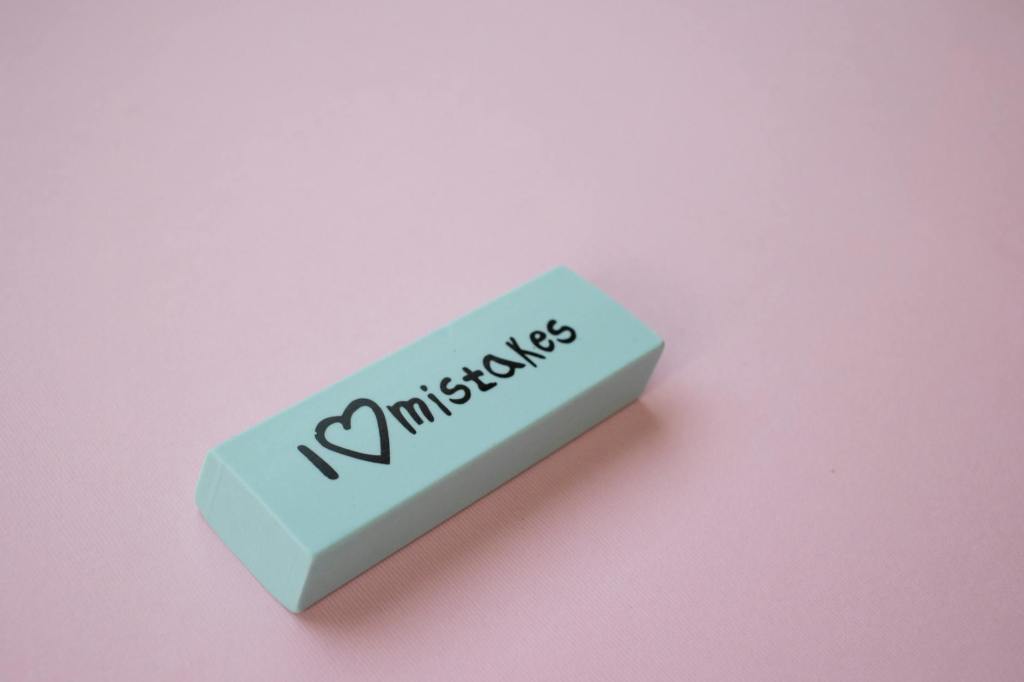
So, if finding and correcting other authors’ mistakes is “enjoyable,” you may want to consider becoming a BOOK EDITOR.

Want the best of both worlds?  Why not consider doing both??

Can You Find the Dog With a Missing Tail?

The current image has no alternative text. The file name is: pexels-photo-6193753.jpeg

As a youngster, I loved getting an educational magazine in the mail each month. A gift from my Uncle Bill, I really enjoyed one of the pages in which I needed to find what was missing from a drawing. The dog might have a missing tail, a plant a missing flower, a car missing a tire, and so on. Basically, the reader was being asked to find “mistakes.”

If you enjoy that same sort of thing, perhaps consider becoming an editor. It might end up being an interesting and even lucrative career.

If you have good punctuation skills, love to read stories, and understand grammatical rules, you’re on your way!

You dont need a license or certification, but, of course, you want to make sure you have the necessary skills or you won’t get good reviews or any “repeat” business.

Even though not required, certifications are one way editors may use to differentiate themselves from their competitors, building the trust of their clients. You may want to take a course by a professional organization that requires you to pass an exam and demonstrate a high level of proficiency. Choose a program offering a comprehensive curriculum in grammar, style, copy and proofreading, and content strategy.

Here are the top Editor Certifications: Adobe Certified Expert (ACE) and Adobe Audition Certifications, Avid Certified Professional (ACP), Apple Certified Pro, and Logic Pro X,  Blackmagic Design DaVinci Resolve Editor Certification, and Grass Valley Edius Editor Certification.

Program costs generally range between $150 and $300.

What are reasonable fees you can charge? I’ll write about that next week.

AI and Authors

Photo by Pixabay on Pexels.com

With all the talk about AI these days, have you ever wondered what it can do? The list grows longer by the day. Glance thru the list below and you’ll see just what this topic means for authors.

You may already have had Amazon ask you to what extent you might have used AI in your writing. As authors, we need to be aware of Amazon’s policy where AI is concerned. Here’s what I found:

“The policy doesn’t prohibit the use of AI but requires disclosure by authors in certain situations. Amazon is making a distinction between using AI to generate content, which the company will require authors to disclose; and using AI to assist in the process of editing and refining copy, which will not need to be disclosed.”

  1. Creates art, music, and videos.
  2. Assists writing blog posts, manage appointments, keeps track of finances.
  3. Creates avatars and logos.
  4. Keeps contact lists up-to-date, helps write and organize social media posts, does image editing.
  5. You can converse with AI, getting answers to questions and delve deeply into ideas you have.
  6. You can use various tools to create your own AI designed to meet the needs of your business.
  7. Marketing, website, and design software for brochures and so on. 
  8. You can use AI SEO to write copy, and check for plagiarism.

We must act ethically and responsibly when using AI. My feeling is, once you invite AI into your life, it may be hard to disengage from it if, for any reason, you decide not to continue using it.

You’ll Still Love to Write If You Do This

Over the years, I have heard authors (myself included) lament over the fact that while writing a book is hard work, there is nothing so difficult as having to spend an exorbitant amount of time on editing, publishing, and marketing.

We DREAD it. And it often saps the joy right out of our labor of love.

I’m writing this as I watch the daily struggle of a friend and first-time author as she attempts the task of formatting for paperback and e-book. As she becomes more and more disheartened and discouraged, I tell her 

It doesn’t have to be so!

I will be the first to admit that it does cost money for cover design and all of the rest. Money that I scrimp and save for each week so I can pay for help each time I need it.

So, if you’re about to publish your very first book, here’s my suggestion: Do it all.

That’s right. Try to do everything for yourself. Even keep a log of your hours. In the end, I think (unless you’ve been technologically blessed) you will agree you never want to have to go through that again!

Professionals can get the job done in a mere fraction of the time it took you—and using them for your next book will assure you of coming away from the whole experience still loving to write!

The Going Rates

I recently had a request to ghostwrite a memoir. While I was considering the offer, I checked to see the going rate for such an endeavor.

You might find it interesting that ghost-writing rates vary. For 2023, they were between $12K to $42K for biographies and memoirs; $1,500 to $5K for children’s picture books; $6,500 to $26K for action and adventure—all of which depend on genre and expertise of the writer.

If you need a writer, you must decide if you want to self-publish your book or go through a traditional publisher.

If you self-publish your book, you must pay the cost of a ghostwriter whereas a traditional publisher might cover that fee for you.

Remember, there are other costs involved in publishing, such as transcription, editing, interview-related activities such as travel and legal agreements. Cover design, formatting, and a host of other fees will typically apply.

If you have knowledge that will help others or an interesting story to tell—and if you lack the writing skills necessary to do your own work, hiring a ghost-writer just may be the way to go.

If your budget allows, that is.

Pricing Your Book

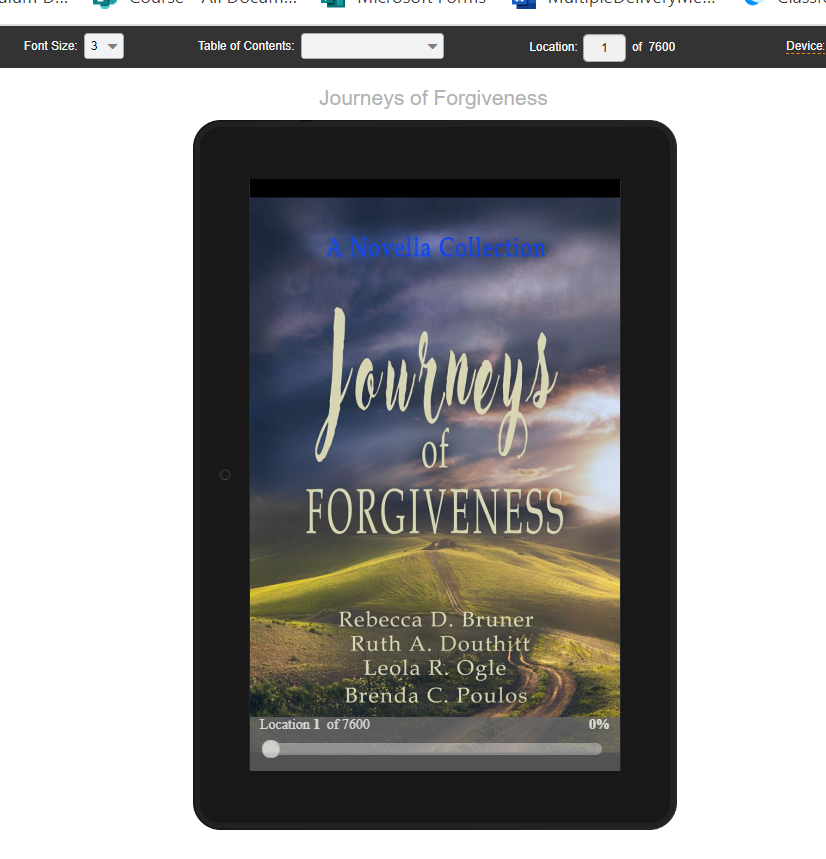
A novella collection that I co-authored with three other authors is soon to be published. On top of the many decisions we have had to face together, one of the final ones in that of pricing.

So, I thought I’d let you in on what I have found out when doing a little online research.

When pricing books on AMAZON, you need to:

  • Check out prices of books in your genre by successful authors.
  • Stay in the range of $2.99-5.99 for the most sales.
  • Be sure your book is quality—professional in writing, editing, cover design, etc.  (Be objective about this!)
  • Be sure your book brings value to readers—meaning information, entertainment, humor, encouragement, etc.
  • Offer both books and e-books. Readers come in both types, you know.
  • When possible, offer free e-books or countdown deals on both paperbacks and e-books.
  • Adjust your price points occasionally to find that “sweet spot.”
  • Remember: the more copies you sell (no matter what the price) the more awareness you’ll get from readers!

Inquiring Minds Want to Know

In the past two weeks, I have been getting Junk emails advertising—actually guaranteeing—40+ reviews on Amazon and Goodreads. The correspondence says they are fully compliant with Amazon’s rules and regulations.

Why the influx of these so-called review businesses? How much do they cost? Do they deliver what they promise? Do they really “comply”?

Well, the jury is still out on that one because I’m not sure I want to get caught up in something that just might be a scam.

If you have tried one of these. I’d be interested to hear about your experience.

Generally speaking though, I would make these few remarks:

It’s a waste of money to pay for a trade book review if you only intend to sell your book on Amazon. You will sell more books by generating more five-star reader book reviews.

For myself, I usually read short and to the point reader reviews, rather than lengthy professional ones. Those reviews mention things like character, plot, theme (which I am interested in as a reader) and less about writing style, editing, and so on.

And, remember, paying for a review is no guarantee that it will be any more positive than reader reviews.

Here’s a plan for finding those reviews which will be of most benefit:

*Go to Amazon and find several books that might be direct competitors of yours.

*Look at their category on Amazon.

*Find the bestsellers in each category.

*Read their reviews and see what review sources are listed.

*You may find some free blogger reviews and/or some free niche publication reviews.

Like I said, I am curious about the “new” paid reviews advertised out there recently. Please write in and share your thoughts.

Don’t Chuck It!

Writing last week, I felt the need to say the same thing I had in an earlier chapter, but in a different way so as not to sound repetitive. I decided to check my “Too Good To Toss” list.

If you don’t have one of these lists, you need to start one. Inevitably you will write something that you just love, but your editor or critique group will say it doesn’t work in your current writing.

Instead of being heartbroken that the world will not get it to read your carefully-crafted sentences, simply copy them into a file you can easily access for future use.

So, I resurrected a short paragraph I had written for a prior publication (but didn’t use) and slipped it into my current document where it worked perfectly.

So don’t trash phrases, sentences, or even paragraphs that you just hate to let go of; instead repurpose something from your Don’t Toss list!

(I also have lists of story ideas, book titles, etc. You never know when they may be useful.)

Passive Voice vs. Active Voice

I uploaded a page of my chapter into an editing program I had considered purchasing. In less than thirty seconds, the screen blinked and then displayed this message: Be careful not to rely on passive verbs in your writing.

Yikes!

Had I really written something so “non-exciting” that they actually called it passive?

Yes; I vaguely remembered that term. I decided to refresh my memory. Here’s what I found.

Let’s start with the basics: a verb is an action word.

Example: Run, cry, hit, sing.

Depending on how you word a sentence, a verb can be passive or active.

Example of active verb:  

Jon beat Peter in a game of chess.

Example of passive verb:

Jon was beaten by Peter.

In the first example, the subject of the sentence (Jon) is doing the action. In the second, something is done to the subject.

The term voice refers to these two different ways of using verbs.

Passive voice is used most often in formal documents, research papers, and so on.

Active voice is used most often in creative writing (fiction).

Passive verbs are broken down into: present simple, present continuous, present perfect, past simple, past continuous, past perfect, future, and future perfect. There are good examples of all of these on the internet, so I won’t go into each here. 

Especially since my purpose here is to remind those of us writing fiction, that we need to make our writing exciting by using action verbs (active voice).

No; I didn’t purchase the editing program. But its blinking screen and its warning in red CAPITAL LETTERS will be forever etched in this writer’s brain.

Change the Recipe

I have a cobbler recipe that I like. It is delicious and super easy.

I have used the recipe quite a few times. However, I often alter something about it to make it “better.”

I have substituted different fruits. And I use less and less dry ingredients as I seek that perfectly moist concoction.

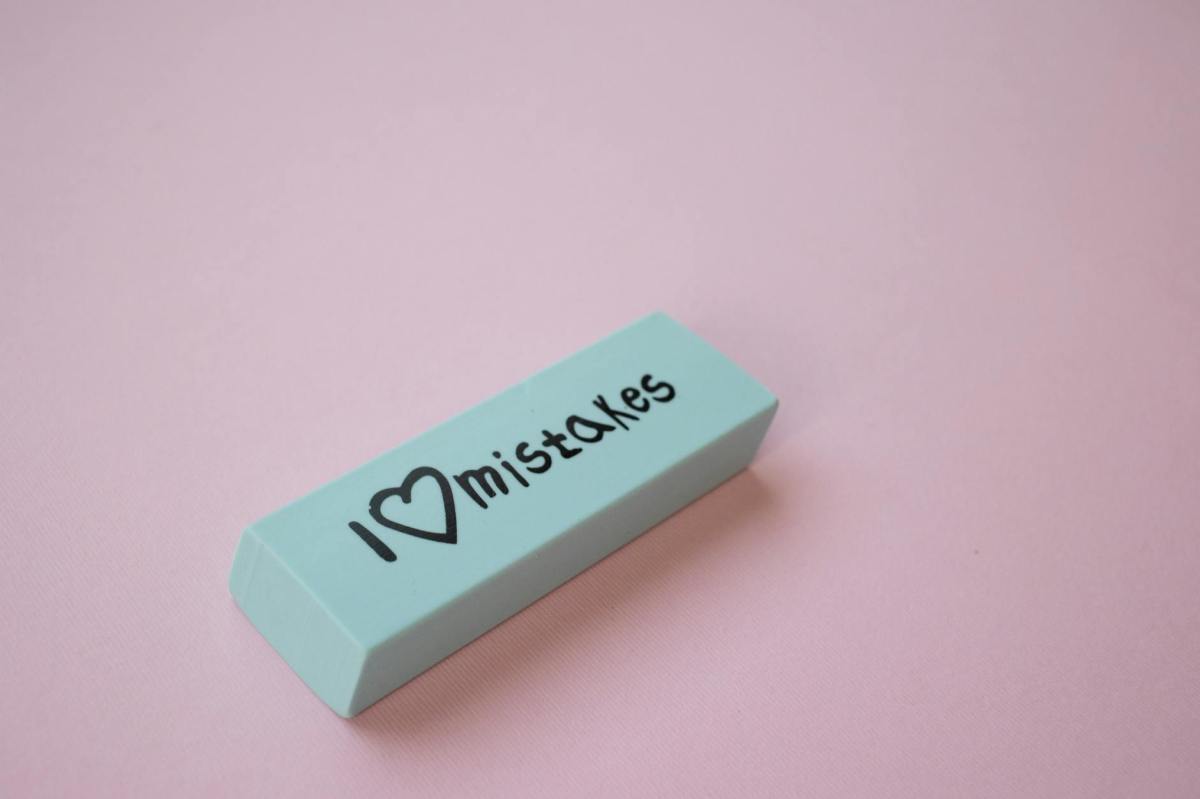
As I made my cobbler a few days ago, I thought of my day of editing the day before. Cutting out words, lines, paragraphs—even whole scenes. Inserting others so the story was more suspenseful.

I left my computer, pleased with the final product, and my kitchen with the delightful aroma of another tasty cobbler.